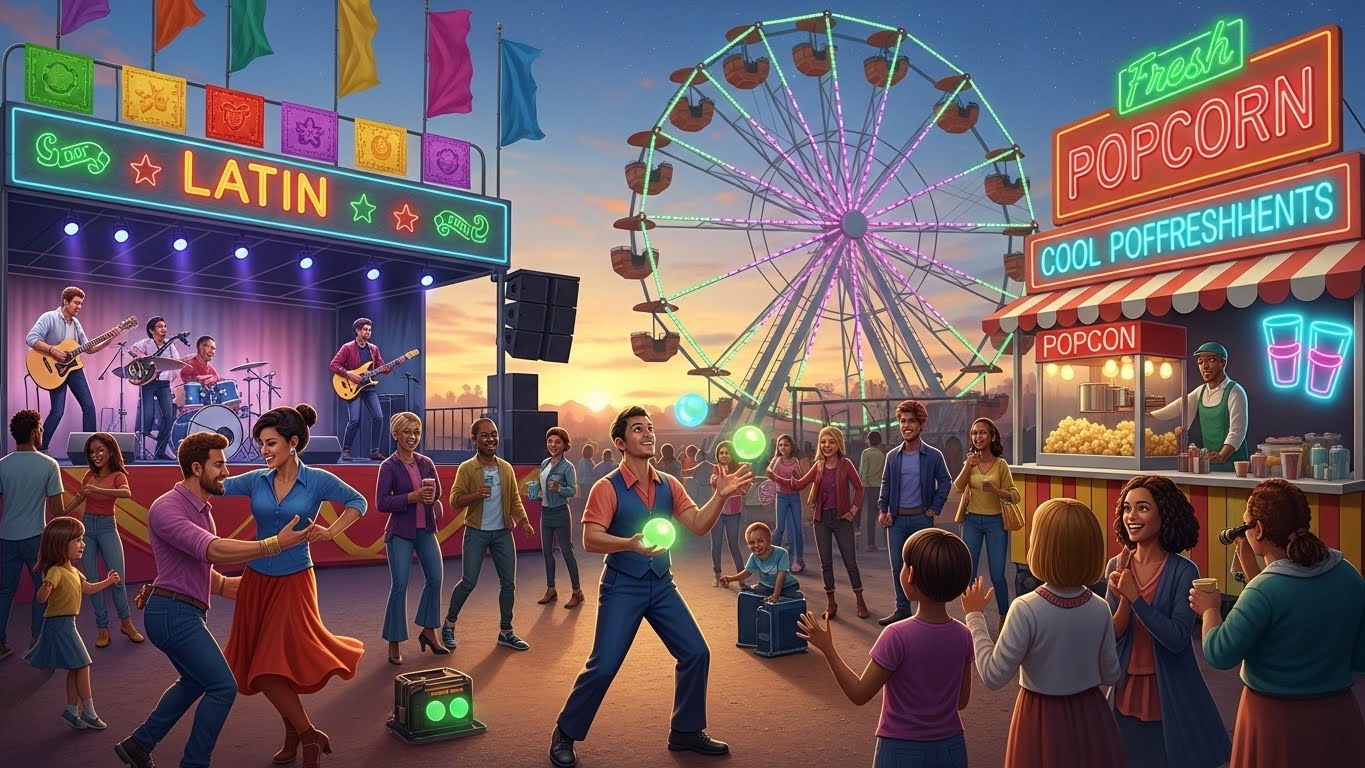

Entertainment is a cornerstone of human society, reflecting both our creativity and the need for escapism, connection, and self-expression. Whether it’s a captivating movie, an electrifying concert, a thrilling video game, or a beloved television show, entertainment continues to shape our lives and culture. Over time, the landscape of entertainment has evolved, adapting to technological advancements, societal changes, and shifts in consumer preferences. In this blog post, we will explore the rich history of entertainment, its various forms, and how it continues to evolve in the modern age.
The Early Days: Entertainment in Ancient Cultures
Entertainment has existed in various forms since the dawn of human civilization. Ancient societies, such as those in Mesopotamia, Egypt, Greece, and Rome, had their own methods of entertainment, which often revolved around communal activities, religious ceremonies, and theatrical performances. For example, the Greeks are credited with the creation of theater, with playwrights like Sophocles and Euripides producing works that are still performed today. The Roman Empire, on the other hand, is famous for its gladiatorial games and large-scale spectacles, which combined entertainment with displays of power.
In many ancient cultures, entertainment was also tied to festivals and celebrations, where music, dance, and storytelling played central roles. These performances were often meant to bring people together, celebrate victories, or honor deities. Entertainment in ancient times had a strong communal aspect and was often experienced in large public spaces, such as amphitheaters, arenas, and palaces. This laid the foundation for the social nature of entertainment that we still see today.
The Birth of Modern Entertainment
With the advent of the printing press in the 15th century, entertainment began to take on new forms. The written word made literature more accessible to the masses, and storytelling took on an entirely new dimension with the publication of novels, plays, and poems. Theater became more refined during the Renaissance, with playwrights such as William Shakespeare creating works that are considered some of the finest examples of literary entertainment ever written.
The Industrial Revolution in the 18th and 19th centuries saw the emergence of new entertainment forms driven by technological innovation. The invention of the camera in the late 19th century gave birth to the film industry, while the invention of radio and television brought entertainment into people’s homes, making it more accessible than ever before. The rise of Hollywood in the early 20th century transformed movies into a global phenomenon, and by the mid-century, television had become the primary form of entertainment for millions.
The Golden Age of Television and Cinema
The mid-20th century marked the “Golden Age” of television and cinema. After World War II, television sets became a fixture in nearly every home, and people tuned in to a wide variety of shows, from sitcoms to game shows to dramas. Icons like Lucille Ball, Johnny Carson, and Alfred Hitchcock became household names, and television shows were often shared family experiences. For many, watching their favorite shows was a daily ritual, creating a bond between individuals and families alike.
Cinema also flourished during this period. Hollywood blockbusters such as Gone with the Wind, Citizen Kane, and The Godfather defined the golden era of cinema, influencing generations of filmmakers. Theaters became places for escapism, where audiences could experience the glamour, drama, and excitement of the big screen. The advent of color films, sound technology, and the widescreen format also revolutionized the film industry, making movies even more immersive.
The Rise of the Internet: A New Era of Entertainment
The digital revolution of the late 20th and early 21st centuries changed the entertainment landscape in ways that were unimaginable just a few decades prior. The advent of the internet allowed for the rapid distribution of content and the creation of new forms of entertainment that transcended traditional media. Online platforms like YouTube, Netflix, and Spotify gave rise to the age of streaming, where people could access content on-demand, bypassing the need for physical media or scheduled programming.
The internet also fostered the rise of new forms of social entertainment. Social media platforms like Facebook, Twitter, and Instagram gave people the ability to share their own entertainment experiences and engage with celebrities and creators in ways that were never before possible. Additionally, the rise of meme culture, viral videos, and internet challenges created a new genre of entertainment that was often short, witty, and interactive.
Gaming, too, underwent a massive transformation thanks to the internet. Online multiplayer games, such as World of Warcraft and Fortnite, allowed players to connect and compete with others across the globe, fostering communities and creating new forms of social interaction. The rise of esports also turned competitive gaming into a spectator sport, with millions tuning in to watch professional players battle it out in major tournaments.
The Streaming Revolution: How We Watch and Listen
The streaming revolution has had a profound impact on the way we consume entertainment. Platforms like Netflix, Hulu, Amazon Prime, and Disney+ have disrupted traditional cable television and movie rental industries, offering viewers a vast library of content at their fingertips. The convenience of streaming has made it easier than ever to watch movies, TV shows, documentaries, and more from the comfort of home.
Streaming has also changed the way entertainment is produced. Binge-watching has become a common practice, as platforms release entire seasons of shows at once, allowing viewers to consume content on their own terms. This shift has led to a rise in high-quality, serialized storytelling, as networks and streaming services compete to create the next big hit series. Shows like Stranger Things, The Crown, and The Mandalorian have set new standards for television production, offering cinematic-quality visuals and complex narratives that rival those of movies.
Music streaming services such as Spotify, Apple Music, and Tidal have similarly revolutionized the music industry. Gone are the days of purchasing albums or relying on radio to discover new songs. Now, listeners can access millions of tracks on-demand, create personalized playlists, and explore a diverse range of genres and artists. Streaming has given rise to a new wave of music discovery and democratized the industry, enabling independent artists to reach global audiences without the need for a major label.
Social Media and User-Generated Content: Entertainment for the Masses
Social media platforms like Instagram, TikTok, and YouTube have become major players in the entertainment industry by allowing users to create and share their own content. These platforms have empowered everyday individuals to become creators, offering a space for self-expression, creativity, and community-building. Content creators, influencers, and vloggers have amassed millions of followers, monetizing their personal brands through sponsorships, product placements, and ad revenue.
TikTok, in particular, has reshaped the entertainment landscape by popularizing short-form videos that often feature trending challenges, lip-syncing, or comedic skits. This format has resonated with younger generations, fostering an interactive and participatory form of entertainment. The viral nature of TikTok has allowed ordinary people to achieve celebrity status almost overnight, creating new opportunities for fame and influence.
Social media has also changed the way celebrities and artists interact with their fans. Platforms like Twitter and Instagram allow celebrities to engage directly with their followers, sharing behind-the-scenes content, personal insights, and responding to fans in real time. This direct connection has made entertainment more accessible and personal, creating a sense of intimacy between stars and their audiences.
The Future of Entertainment: What’s Next?
As technology continues to advance, the future of entertainment looks increasingly exciting. Virtual reality (VR) and augmented reality (AR) are expected to play a major role in the next evolution of immersive experiences. Imagine stepping into a virtual world where you can interact with characters, explore environments, or even watch a live concert in a completely new way. VR and AR are already being used in gaming, and their potential applications in other areas, such as film, education, and live events, are vast.
Artificial intelligence (AI) is also set to revolutionize entertainment. From AI-generated music and films to personalized content recommendations, AI will play an ever-growing role in shaping how we create and consume entertainment. As AI algorithms become more sophisticated, they will be able to create more immersive and personalized experiences that cater to individual tastes and preferences.
Additionally, the ongoing rise of global platforms like Netflix, Amazon, and YouTube means that entertainment will continue to become more international and accessible. People from different parts of the world will have the opportunity to explore and enjoy content from different cultures, further blurring the lines between regional and global entertainment.
Conclusion: The Endless Appeal of Entertainment
Entertainment is an essential part of human life, providing joy, escapism, and connection. From the earliest performances in ancient civilizations to the digital delights of today, the evolution of entertainment has been shaped by technological advancements and cultural shifts. As we move into the future, new technologies will continue to redefine how we experience and engage with entertainment, offering exciting possibilities for creativity, immersion, and interactivity.
No matter how it evolves, entertainment will remain a powerful force in shaping society, reflecting our values, and bringing us together in shared experiences. The evolution of entertainment shows that, at its heart, it is not just about escapism but about connecting, expressing, and understanding the world around us.