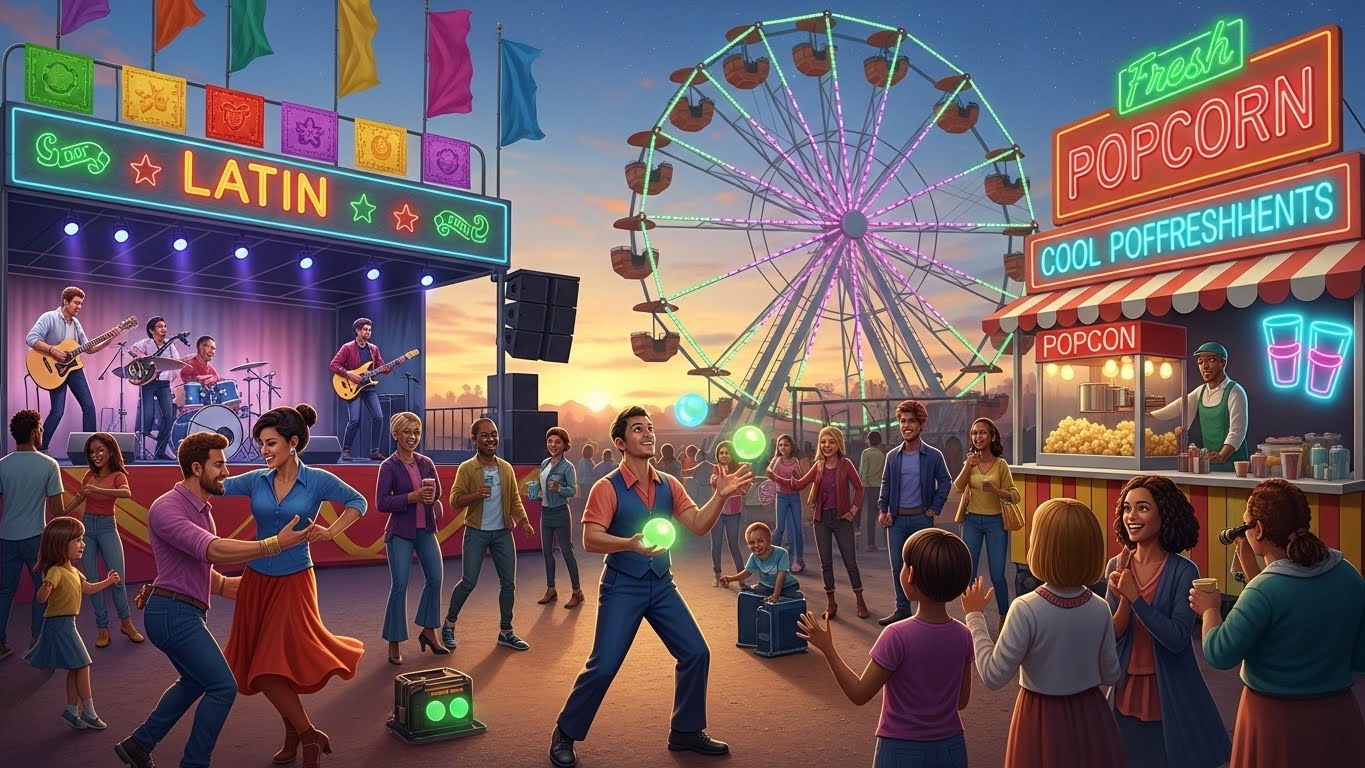

Entertainment is one of the most powerful and universal aspects of human life. It transcends boundaries, cultures, and generations. From the earliest drumbeats and campfire stories to modern digital media and virtual reality, entertainment has evolved with humanity. It is not just a means of passing time but a reflection of our thoughts, emotions, and identity. It connects people, inspires imagination, and shapes societies. The journey of entertainment is a fascinating tale of creativity, technology, and transformation.
The Ancient Roots of Entertainment
The story of entertainment begins long before the existence of written language. In ancient times, humans used stories, dance, and music to express emotions and share experiences. These acts were not only sources of joy but also served as tools for teaching values and preserving history. Tribal dances, mythological storytelling, and rituals were central to the lives of early communities.
Ancient civilizations such as Egypt, Greece, India, and China all had distinct forms of entertainment. In Greece, drama was an important cultural tradition, where plays were performed to explore themes of morality, love, and fate. In India, epics like the Mahabharata and Ramayana were recited through music and performance, captivating audiences for generations. These art forms laid the foundation for the entertainment we enjoy today.
The Evolution of Performance Arts
As societies developed, entertainment became more structured and elaborate. The invention of theaters in Greece and Rome introduced large-scale performances that attracted audiences from all walks of life. Music and dance evolved into organized forms of artistic expression. The medieval period saw the rise of traveling entertainers, jesters, and minstrels who performed for kings and commoners alike.
With the Renaissance came a new appreciation for art, literature, and performance. Painters, musicians, and writers flourished, and theater became a central form of entertainment. Shakespeare’s plays, for instance, redefined storytelling by blending humor, tragedy, and emotion in ways that still captivate audiences today.
The Birth of Modern Entertainment
The industrial age marked a significant turning point in the history of entertainment. Technological innovations changed how people consumed and experienced art. The invention of photography and later the motion picture camera gave birth to cinema. Silent films in the late 19th and early 20th centuries fascinated audiences who had never before seen moving images on screen.
Radio followed soon after, becoming a household companion that brought news, music, and drama directly to people’s ears. The introduction of television transformed entertainment once again, combining sound and visuals to create an entirely new experience. Families gathered around their TV sets to enjoy shows, movies, and live broadcasts, making entertainment a shared social event.
The Digital Revolution
The late 20th and early 21st centuries ushered in the digital revolution, changing the face of entertainment forever. The internet made it possible to access films, music, and games from anywhere in the world. Streaming platforms, online videos, and social media gave rise to a new generation of creators who could reach millions without traditional gatekeepers.
Entertainment became more interactive, allowing audiences to not just watch but also participate. Online gaming communities, live streaming, and digital concerts blurred the lines between creators and consumers. Today, entertainment is no longer limited by geography or time. With just a smartphone, anyone can watch a movie, listen to global music, or create content for others to enjoy.
The Power of Storytelling
At the core of all entertainment lies storytelling. Whether it is a film, novel, song, or video game, the essence of entertainment is its ability to tell a story that resonates with the audience. Storytelling is an ancient art that continues to evolve with each generation. It gives meaning to emotions, captures the imagination, and provides an escape from everyday life.
Modern storytelling has expanded beyond traditional boundaries. Filmmakers, writers, and digital creators explore themes of identity, social change, and human relationships. With the rise of streaming services, diverse voices now have a platform to share their stories. Entertainment has become a reflection of society, highlighting both its beauty and its flaws.
Music: The Universal Language
Music remains one of the most powerful forms of entertainment. It transcends language and culture, speaking directly to the heart. From ancient chants and folk songs to modern pop, jazz, and electronic music, it has always been a medium of expression and connection. Every generation has its own rhythm, sound, and musical heroes who define their era.
The digital era has made music more accessible than ever. Artists can now share their creations instantly with a global audience. Genres are blending, cultures are crossing, and collaborations between artists from different backgrounds are creating new sounds. Music is no longer confined to concert halls or radios—it is everywhere, shaping moods and uniting people across the world.
The Rise of Gaming and Interactive Entertainment
Gaming has evolved into one of the most influential sectors of the entertainment industry. What started as simple arcade games has transformed into complex virtual worlds with millions of players. Modern video games offer cinematic storytelling, lifelike graphics, and social interaction. They allow players to become heroes, adventurers, and creators in their own right.
Esports has turned competitive gaming into a professional field, attracting global audiences and sponsors. Gamers are now celebrities, and game developers are storytellers crafting immersive universes. The interactive nature of gaming makes it unique among entertainment forms—it is not something you just watch but something you live through. It combines technology, art, and imagination in a way no other medium can.
The Influence of Social Media
Social media has redefined entertainment in the digital age. Platforms such as Instagram, TikTok, and YouTube have turned ordinary people into stars. The traditional idea of fame has shifted; it is no longer limited to movie actors or singers. Content creators, influencers, and vloggers have built entire careers by sharing their creativity online.
This democratization of entertainment has empowered individuals but also created new challenges. The constant demand for fresh content can be overwhelming, and the competition for attention is intense. Yet, social media has given rise to new forms of humor, art, and storytelling. It allows direct interaction between creators and their audiences, making entertainment more personal and engaging than ever before.
The Cultural and Economic Impact of Entertainment
Entertainment is not just about amusement—it plays a vital role in shaping culture and driving economies. Films, music, television, and gaming industries contribute billions to the global economy each year. They create jobs, inspire innovation, and influence everything from fashion to politics.
Culturally, entertainment acts as a mirror to society. It reflects our values, dreams, and conflicts. Through films and songs, we explore issues like love, justice, freedom, and equality. Entertainment helps us question norms, celebrate diversity, and embrace change. It has the power to bring people together, bridging divides through shared emotions and experiences.
Technology and the Future of Entertainment
The future of entertainment is being shaped by rapid technological progress. Virtual reality, augmented reality, and artificial intelligence are transforming how we experience content. Imagine stepping inside a movie scene or attending a concert where digital and real worlds merge seamlessly. These innovations are redefining creativity and expanding the boundaries of imagination.
Artificial intelligence is already being used to create music, generate scripts, and design characters. While some fear this could replace human creativity, others see it as an opportunity to enhance it. The future of entertainment will likely be a collaboration between human emotion and machine intelligence, producing experiences beyond what we can imagine today.
The Importance of Live Entertainment
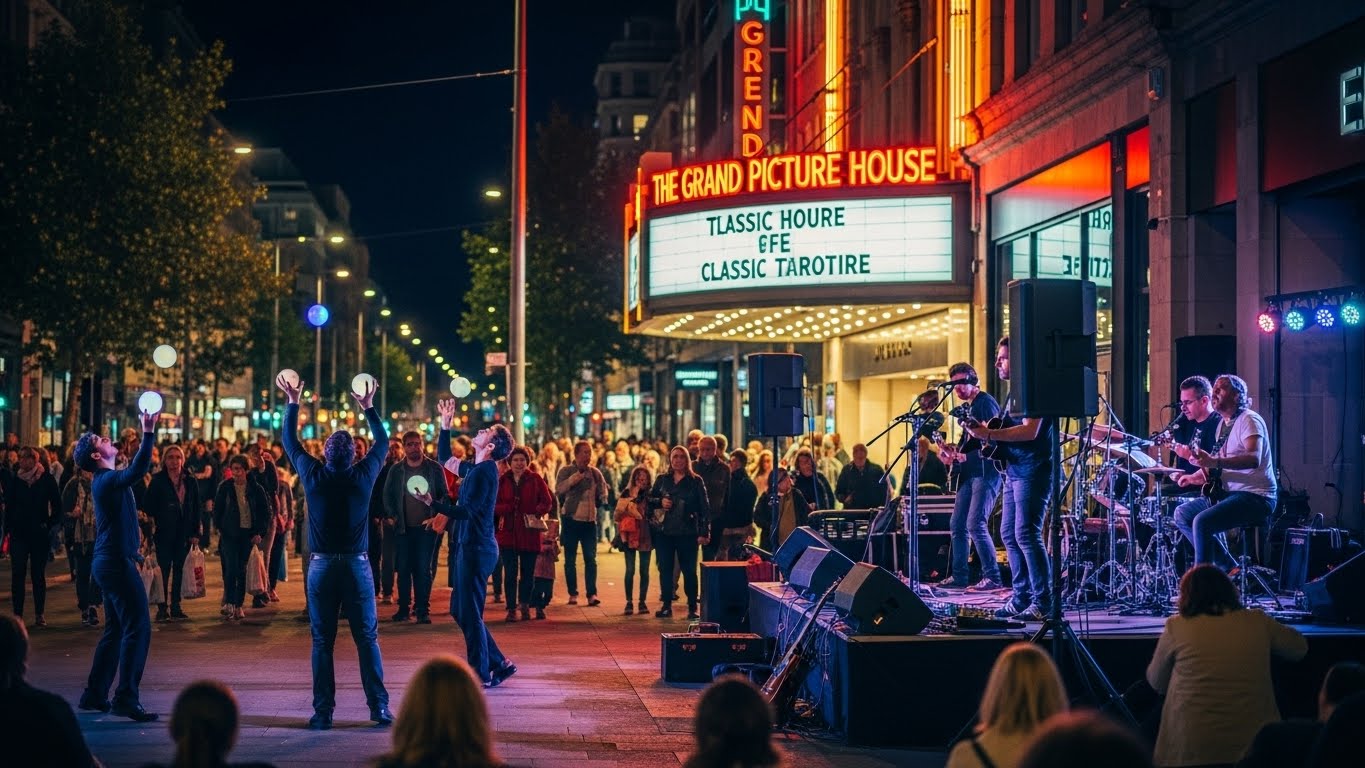
Despite all technological advances, live entertainment still holds a special charm. The thrill of a concert, the laughter in a theater, or the excitement of a sports event cannot be replicated by screens. Live performances remind us of the beauty of human connection. The energy of the crowd, the spontaneity of the moment, and the shared emotion make these experiences unforgettable.
After a period when much of the world was confined indoors, people have rediscovered the joy of live events. Theaters are filling again, music festivals are thriving, and audiences are eager for authentic, real-world experiences. Live entertainment reminds us that technology can enhance life, but it cannot replace the human touch.
Balancing Escapism and Reality
One of the key roles of entertainment is to offer an escape from daily struggles. Movies, music, and games allow us to step into other worlds and experience different emotions. However, it is important to balance escapism with reality. While entertainment can inspire and uplift, overindulgence may lead to disconnection from the real world.
Responsible consumption means enjoying entertainment while maintaining awareness of its influence. Creators also have a responsibility to promote healthy messages and diverse representation. When used wisely, entertainment becomes not just a diversion but a source of learning, empathy, and growth.
Conclusion: The Timeless Power of Entertainment
Entertainment is more than just amusement—it is a celebration of creativity, imagination, and human emotion. It reflects who we are and shapes who we become. From ancient storytellers to digital creators, from classical musicians to modern gamers, the essence of entertainment remains the same: to connect, inspire, and move people.
As technology continues to evolve, entertainment will keep transforming, offering new ways to experience joy and wonder. But no matter how advanced the tools become, the heart of entertainment will always be human. It is our stories, our emotions, and our creativity that give life to every song, film, and performance.
Entertainment is not just about filling time—it is about enriching it. It brings color to our days, meaning to our memories, and inspiration to our future. It is, and always will be, the endless symphony of human creativity.