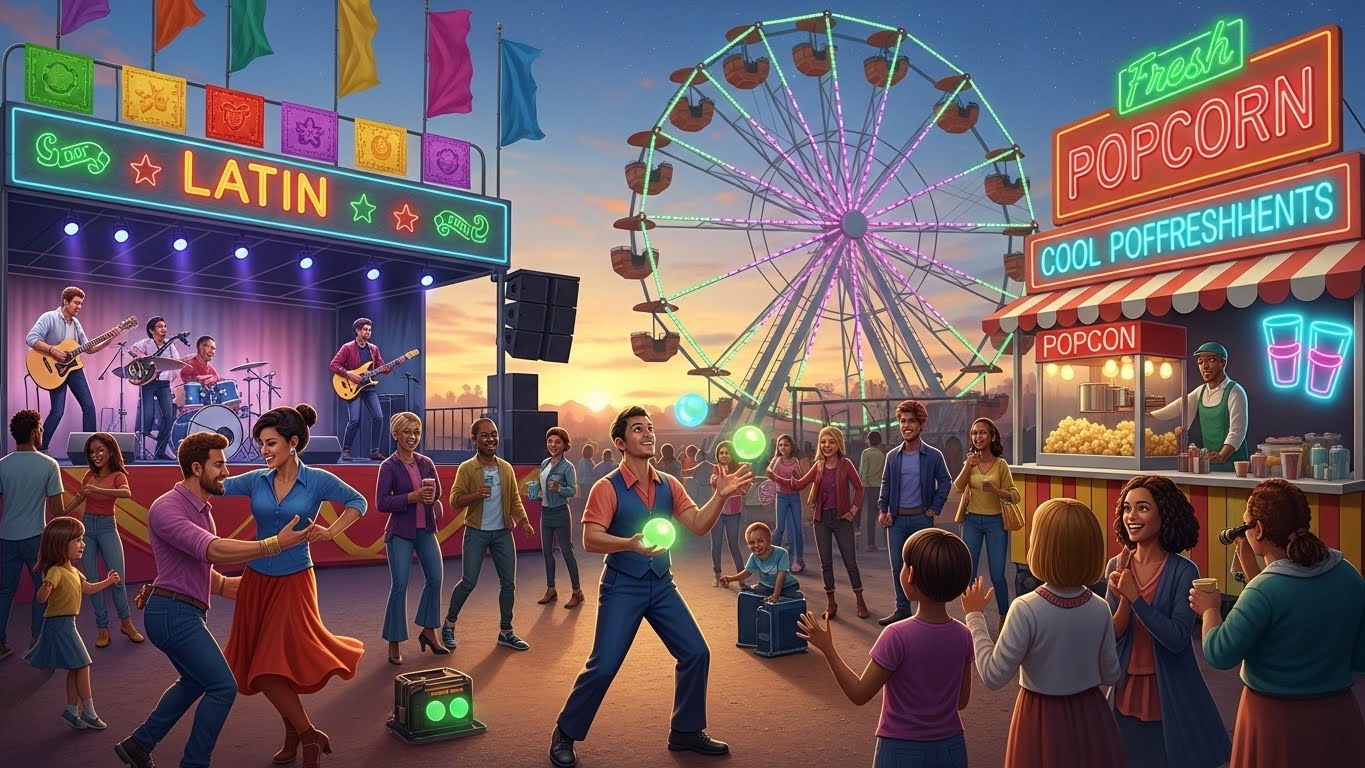
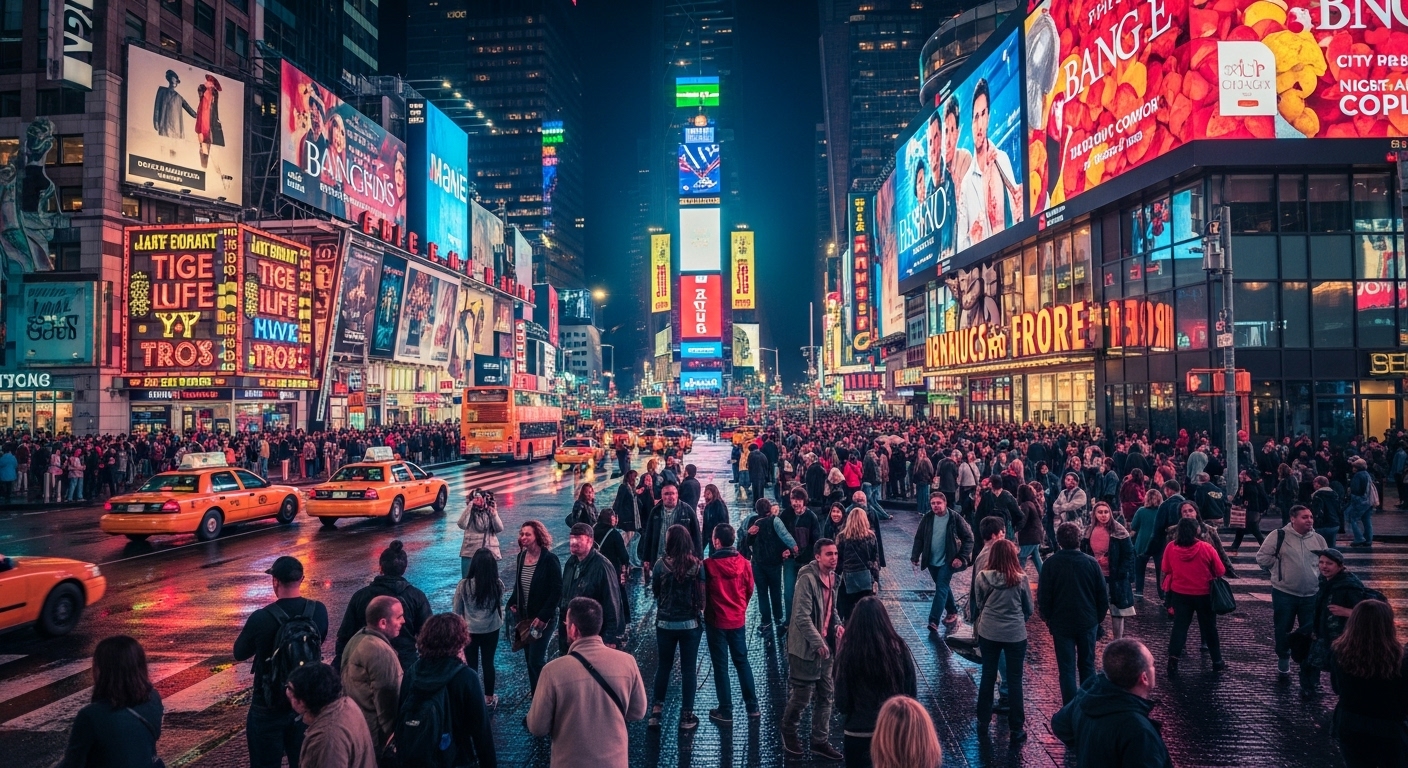
Entertainment has always played a significant role in human culture, evolving alongside technological advances and shifting societal trends. From ancient theater performances to modern virtual reality experiences, entertainment has shaped the way we interact with each other and our surroundings. Today, entertainment is no longer just a form of passive enjoyment—it’s an ever-expanding universe of interactive experiences, innovative storytelling, and immersive technologies. In this blog post, we’ll explore the future of entertainment and how it’s transforming the way we engage with the world around us.
The Rise of Digital Media
In recent years, the growth of digital media has completely revolutionized the entertainment industry. Streaming platforms like Netflix, Hulu, Disney+, and Amazon Prime Video have shifted how we consume content. No longer do we have to wait for a specific time slot or endure long commercial breaks. On-demand services have empowered viewers to watch their favorite movies and shows at their own pace, with an ever-expanding library of content at their fingertips.
This change in the way we access media has not only impacted television but also music, news, and gaming. With apps like Spotify, YouTube, and Apple Music, music lovers can stream millions of tracks instantly, while gamers can access cloud-based services that deliver the latest games directly to their devices.
Virtual Reality and Augmented Reality: Entertainment’s New Frontier
As technology continues to evolve, virtual reality (VR) and augmented reality (AR) are emerging as the next frontiers in entertainment. VR allows users to step into entirely new worlds, offering immersive gaming experiences, interactive cinema, and even virtual concerts. Imagine exploring a futuristic city or fighting monsters alongside friends, all from the comfort of your home.
On the other hand, AR blends the digital and physical worlds. Using AR technology, users can interact with virtual objects superimposed onto the real world. For example, AR gaming apps like Pokémon GO encourage users to engage with their surroundings in ways that were previously impossible. These technologies offer boundless possibilities, making the entertainment industry more dynamic and interactive than ever before.
Interactive Storytelling: When Audiences Become Participants
Another exciting development in the entertainment landscape is the rise of interactive storytelling. Traditionally, storytelling was a one-way experience, with the audience passively absorbing the narrative. Today, however, advances in gaming and digital media have opened the door to interactive experiences where the audience becomes an active participant in the story.
Popular TV shows like Bandersnatch from the Black Mirror series, for example, allow viewers to make choices that shape the plot. These interactive films offer a unique way to experience storytelling, blurring the lines between traditional cinema and video games. As the demand for such experiences grows, it’s likely that more content will emerge, allowing viewers to shape the narratives they enjoy.
The Impact of Social Media on Entertainment Trends
Social media platforms like Instagram, TikTok, and Twitter have drastically altered how entertainment is created, consumed, and shared. Instead of waiting for the next big release, social media allows users to access real-time trends, viral moments, and behind-the-scenes content. Influencers and content creators now have the power to shape entertainment trends, often bypassing traditional gatekeepers like studios or networks.
TikTok, for instance, has become a breeding ground for viral trends, launching songs, dances, and challenges to global fame in a matter of days. These platforms have made entertainment more democratized, offering opportunities for anyone with creativity and a smartphone to entertain a global audience.
The Evolution of Live Events
Live entertainment has always been a fundamental part of human culture, from Shakespearean plays to modern-day concerts. However, the recent COVID-19 pandemic has dramatically altered how we experience live events. With restrictions on large gatherings, many performers turned to digital platforms to connect with audiences. Virtual concerts and online theater productions became the norm, with artists livestreaming shows directly into fans’ homes.
Although the pandemic has passed, the influence of virtual events continues to grow. Hybrid events, which blend in-person experiences with digital access, have gained popularity, allowing fans to experience performances from anywhere in the world. Artists can now reach a global audience in real-time, breaking down geographical barriers and expanding the potential for live entertainment.
The Future of Entertainment: AI and Personalization
Artificial intelligence (AI) is playing an increasingly important role in shaping the future of entertainment. From content recommendations to AI-generated music, the potential for AI to personalize our entertainment experiences is vast. Streaming services use sophisticated algorithms to recommend shows and movies based on our viewing history, creating a highly tailored experience for each user.
In the future, AI could take things a step further by generating entirely new content. Imagine a music album or film created specifically for you, based on your unique preferences and tastes. AI could even analyze audience reactions to suggest changes or improvements to ongoing projects, revolutionizing the creative process in the entertainment industry.
Conclusion: A World of Infinite Possibilities
The entertainment industry is more vibrant and dynamic than ever before. Technological advancements such as digital streaming, virtual and augmented reality, interactive storytelling, and AI-driven personalization are transforming how we consume and engage with content. As these trends continue to evolve, we can only imagine what new innovations will emerge in the coming years.
One thing is certain: the future of entertainment is an exciting and boundless landscape, where imagination knows no limits, and the line between creator and consumer continues to blur. Whether you’re watching a movie, playing a game, attending a concert, or interacting with virtual characters, entertainment is becoming an increasingly immersive and personalized experience that keeps us connected to a world of endless possibilities.