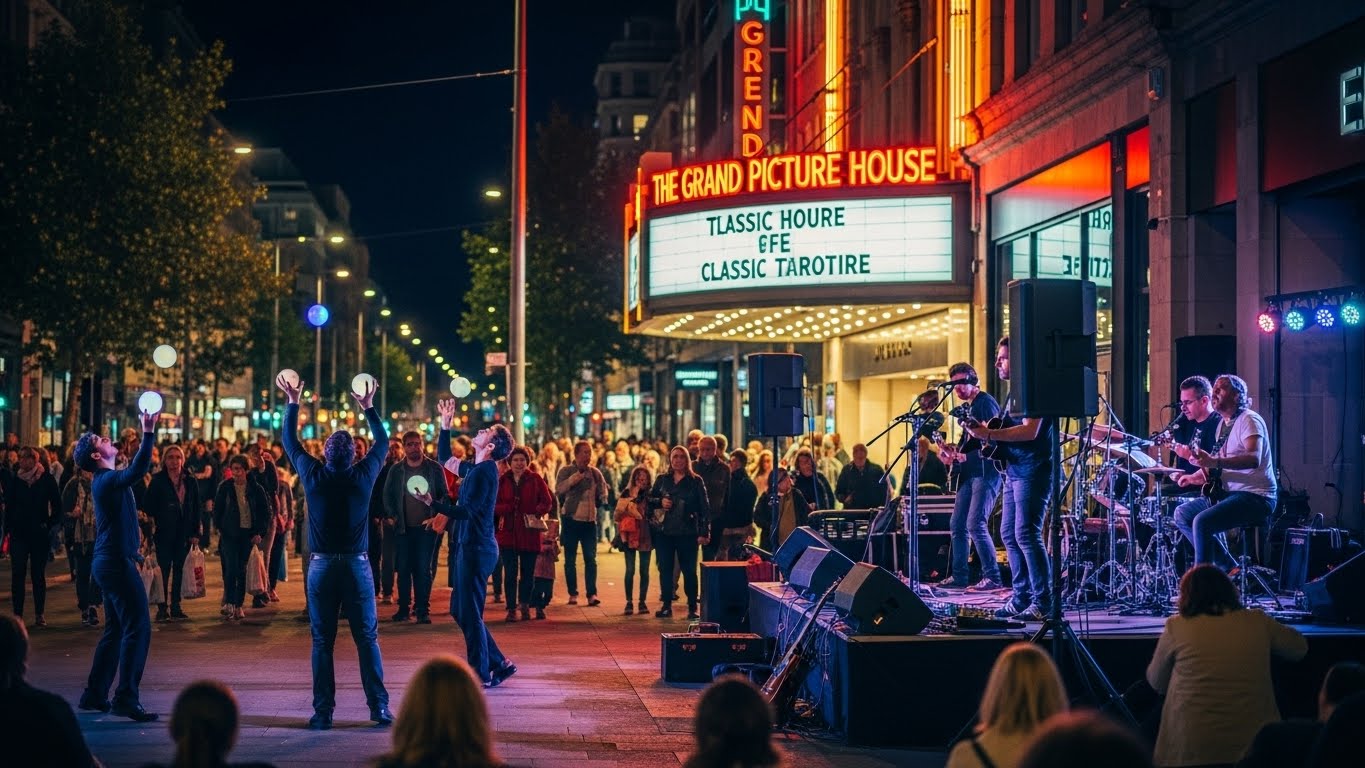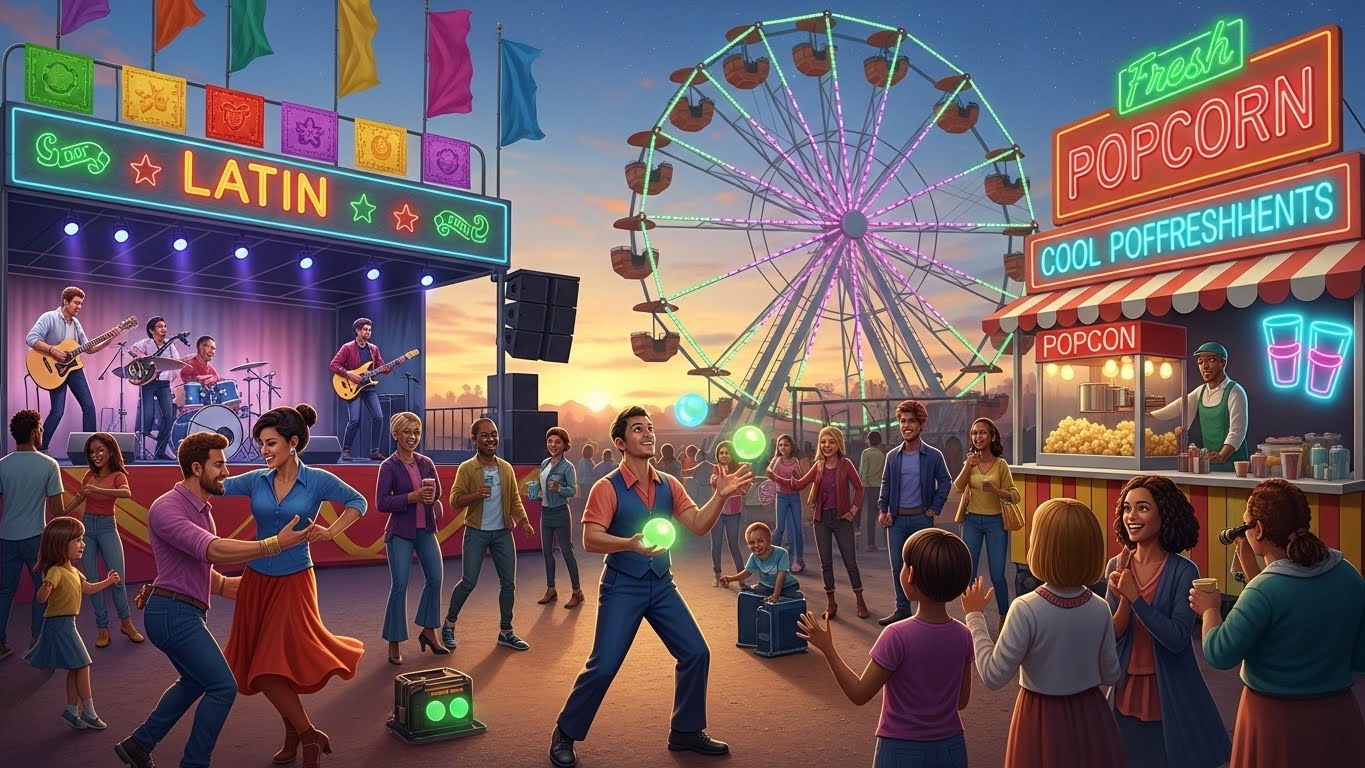

Entertainment has always been a cornerstone of human life. It is more than just leisure; it is a reflection of society, a source of inspiration, and a way to connect with others. From the oral traditions of ancient civilizations to the immersive digital experiences of today, entertainment has continuously evolved. It has adapted to changes in culture, technology, and human imagination, shaping how we perceive the world and ourselves. Modern entertainment has expanded beyond traditional formats, embracing technology, interactivity, and global accessibility to create experiences that were once unimaginable.
The Origins of Entertainment
Entertainment in its earliest forms was deeply rooted in community and storytelling. Ancient societies gathered around fires to listen to myths, legends, and historical accounts. Music, dance, and theatrical performances were often combined to create immersive experiences that were both educational and enjoyable. These forms of entertainment served as a way to transmit knowledge, teach moral lessons, and preserve cultural traditions across generations.
As civilizations advanced, so did the forms of entertainment. The invention of writing and printing allowed stories to be preserved in books, providing individuals with private experiences of imagination and reflection. Theater remained an important public form of entertainment, presenting dramatic and comedic performances that engaged audiences collectively. The emergence of film in the early twentieth century marked a significant turning point, bringing visual storytelling to the forefront and creating a shared cultural experience on a global scale.
The Streaming Revolution
The advent of digital streaming has transformed the way audiences consume entertainment. Gone are the days when viewers had to wait for scheduled television programs or physical media. Today, streaming platforms offer instant access to vast libraries of movies, TV series, documentaries, and original productions. Personalized algorithms suggest content based on individual preferences, making the viewing experience more engaging and tailored.
Streaming has also reshaped storytelling itself. Series are now crafted for binge-watching, allowing writers to develop complex character arcs and layered narratives. The accessibility of streaming platforms has also broken down geographic barriers, enabling international shows and films to reach a global audience. This has introduced viewers to diverse cultures and storytelling techniques, enriching the entertainment landscape.
The Enduring Allure of Cinema
Despite the convenience of home viewing, cinema remains a unique and irreplaceable experience. Movie theaters have adapted to changing audience expectations by offering immersive experiences that cannot be replicated at home. High-definition screens, advanced sound systems, luxury seating, and immersive technologies such as 3D and 4D have transformed movie-going into a multi-sensory event.
The communal aspect of cinema adds to its enduring charm. Watching a film alongside an audience amplifies emotions, whether it is laughter, suspense, or awe. Blockbuster releases continue to draw large crowds, demonstrating that cinema is not just about storytelling; it is about experiencing stories together.
Music in the Digital Era
Music has always been a universal form of entertainment, capable of transcending language and cultural barriers. Technology has revolutionized the music industry by making production, distribution, and consumption more accessible than ever. Digital tools allow artists to experiment with sound, composition, and production, creating music that can reach audiences worldwide from home studios.
Streaming services have changed listening habits, offering personalized playlists and instant access to a vast array of genres. Virtual concerts, live-streamed performances, and online music festivals have provided new ways for fans to engage with artists, breaking the limitations of physical space. Technology has not only expanded access but also fostered creativity, collaboration, and innovation in the music industry.
Gaming as a Mainstream Medium
Gaming has evolved from a niche hobby into a major form of entertainment. Modern video games offer cinematic graphics, intricate storylines, and interactive worlds where players can influence outcomes. Unlike traditional media, games allow audiences to actively participate, making choices that shape the narrative and their experience.
Esports has further expanded the gaming industry, transforming competitive play into a global spectacle. Professional tournaments attract millions of viewers, turning players into celebrities and gaming into a recognized sport. The combination of storytelling, competition, and social engagement has made gaming a cultural phenomenon that rivals film and music in popularity.
Social Media and Digital Creativity
Social media has redefined entertainment by giving individuals the power to create, share, and influence content globally. Short videos, live streams, and interactive posts allow everyday people to become creators and entertainers. Viral trends, challenges, and memes shape modern culture, influencing what audiences watch, discuss, and emulate.
The rise of content creators and influencers has democratized entertainment. People no longer rely solely on traditional celebrities; everyday individuals can captivate audiences with creativity, humor, or unique perspectives. Social media has made entertainment more immediate, interactive, and participatory, fostering new forms of connection between creators and audiences.
Podcasts and the Revival of Audio Storytelling
Podcasts have become a major medium for entertainment, offering content that spans education, comedy, storytelling, and investigative journalism. Unlike visual media, podcasts engage audiences through voice, requiring imagination and attention to detail.
Audio entertainment fits seamlessly into daily life. People can listen while commuting, exercising, or completing routine tasks. The intimate nature of spoken word storytelling allows creators to form a deep connection with listeners, demonstrating that even in a visually dominated world, audio remains a powerful form of engagement.
Nostalgia and the Power of the Past
Nostalgia is a significant driver of modern entertainment. Reboots, remakes, and revivals of classic movies, series, and games evoke emotions and memories that resonate with audiences. These nostalgic works are often reimagined with modern technology, storytelling techniques, and production quality, creating a blend of familiarity and innovation.
Nostalgia also connects generations, introducing younger audiences to the cultural icons of the past while appealing to older viewers’ memories. This balance of old and new demonstrates that entertainment evolves while honoring its history.
Virtual and Augmented Reality
Virtual reality and augmented reality have opened new frontiers for immersive entertainment. VR enables users to enter fully realized digital worlds, attend virtual concerts, or participate in interactive storytelling. AR overlays digital elements onto real-world environments, enhancing gaming, education, and live events.
These technologies blur the lines between imagination and reality, making entertainment a participatory experience. As VR and AR become more affordable and accessible, they are likely to transform mainstream entertainment, offering experiences that are both interactive and emotionally engaging.
Globalization and Cultural Exchange
Globalization has transformed entertainment into a worldwide dialogue. Films, series, and music from one part of the world can now gain popularity in distant countries. International collaborations among creators are producing innovative content that combines different visual, musical, and narrative styles.
This interconnectedness enriches the industry, exposing audiences to new cultures and perspectives. Globalized entertainment promotes understanding and empathy, highlighting the universal appeal of storytelling, music, and performance.
The Social and Emotional Role of Entertainment
Entertainment is more than a pastime; it plays a vital role in emotional, psychological, and social well-being. It allows individuals to escape stress, process emotions, and explore new ideas. Entertainment also fosters social connections, creating shared experiences that bring communities together.
Additionally, entertainment inspires creativity and critical thinking. It encourages audiences to empathize, imagine, and reflect on the human experience. By combining enjoyment with intellectual and emotional engagement, entertainment contributes to personal growth and societal cohesion.
The Future of Entertainment
The future of entertainment promises greater interactivity, personalization, and immersion. Artificial intelligence may enable adaptive storytelling, dynamic music, and games that respond to individual preferences. Virtual worlds may become spaces for social interaction, creative expression, and entertainment simultaneously.
Technological advancements will continue to redefine what is possible, but the core of entertainment will remain unchanged: to tell stories, evoke emotions, and connect people. No matter how formats evolve, the human desire for imagination, joy, and shared experience will always drive entertainment.
Conclusion
Entertainment has been an integral part of human life for centuries, evolving from oral storytelling to immersive digital experiences. Today, it encompasses a wide range of mediums, including film, music, gaming, podcasts, social media, and virtual reality. Modern entertainment is interactive, global, and accessible, yet it retains the timeless purpose of connecting people, inspiring creativity, and bringing joy.
As technology and culture continue to progress, entertainment will keep evolving, offering new ways to engage and delight audiences. It remains a vital aspect of human expression, reflecting our creativity, emotions, and shared experiences. The world of entertainment is vibrant, diverse, and ever-changing, reminding us that storytelling, music, games, and performance are essential threads in the fabric of human life.