
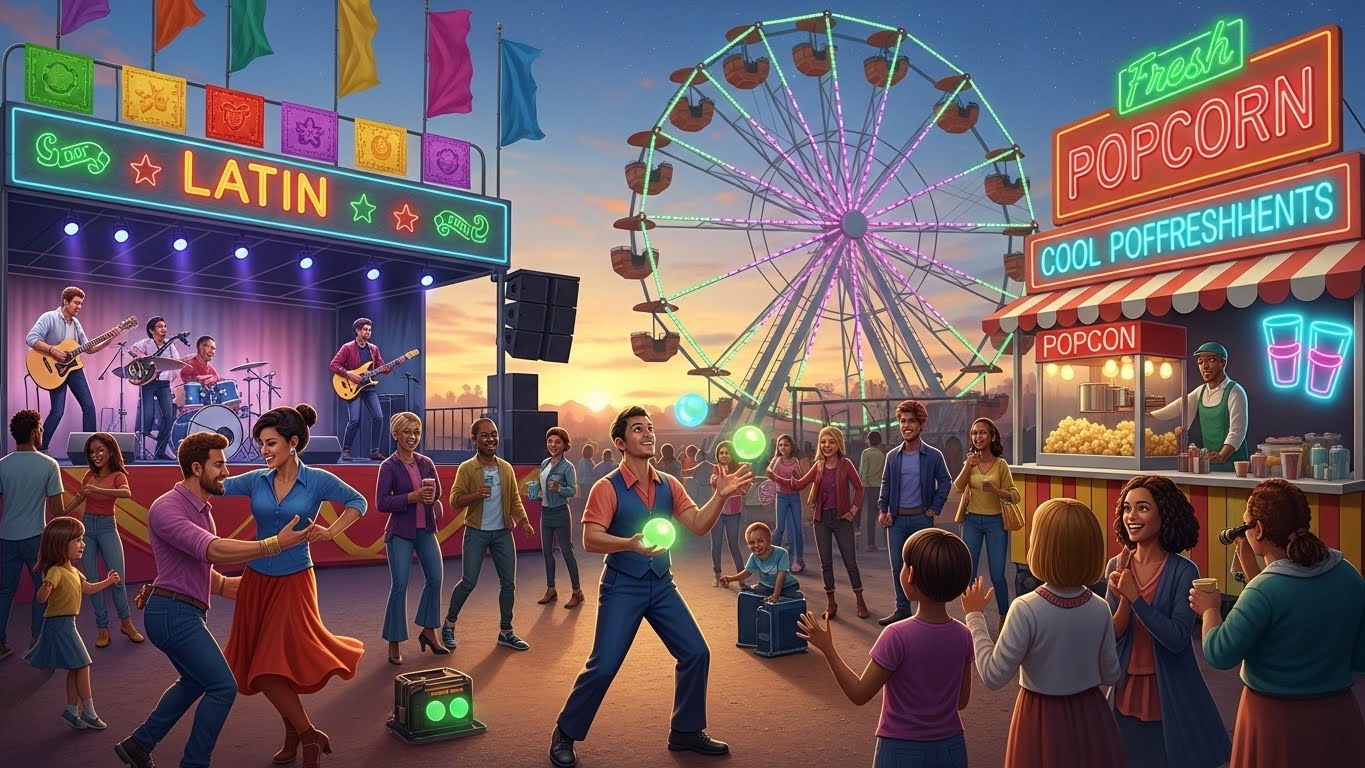
Entertainment, in its myriad forms, has long been an essential part of human life. From the early days of storytelling around campfires to the rise of streaming services today, the way we consume entertainment has dramatically transformed. As society and technology have advanced, so too have our methods of entertainment. This blog delves into the evolution of entertainment, tracing its journey from traditional practices to the current digital age, highlighting key milestones along the way.
The Early Days: The Birth of Entertainment
Entertainment began as an extension of human connection, where oral traditions, music, and performance played a crucial role in bonding communities. Early humans would gather around campfires, sharing stories, myths, and legends—entertainment was a communal activity, often involving the entire tribe. Ritual dances, storytelling, and music helped pass down cultural heritage and fostered a sense of belonging.
In ancient civilizations, such as those in Greece, Rome, and Egypt, entertainment became more formalized. Public performances, such as theater, became a key feature of culture. The ancient Greeks are often credited with laying the foundations for modern Western entertainment, with playwrights like Sophocles, Euripides, and Aristophanes crafting works that are still studied and performed today.
The Renaissance and the Birth of Mass Entertainment
The Renaissance period brought about significant changes in the arts and culture. With the rise of the printing press in the 15th century, literature became more accessible to the masses. Books, pamphlets, and plays began to spread widely, allowing for the democratization of entertainment. This era also saw the emergence of opera and classical music, with composers like Bach, Mozart, and Beethoven shaping the music landscape.
As the middle class grew, so did the demand for entertainment. Theaters, circuses, and fairs became central to social life, providing public events that attracted large audiences. For the first time in history, entertainment was no longer limited to the elite—it became a shared experience for people of all social classes.
The Industrial Revolution: The Rise of New Forms of Entertainment
With the advent of the Industrial Revolution in the 18th and 19th centuries, there was a profound shift in society, and so too in entertainment. Mass production, urbanization, and the rise of leisure time gave birth to entirely new forms of entertainment. The invention of the printing press led to the proliferation of newspapers, and with it, the rise of serialized stories. These stories, often in the form of novels, captivated the public and created an entirely new form of entertainment consumption.
In addition to literature, the 19th century saw the birth of the cinema, a form of entertainment that would revolutionize the industry. The first motion pictures, while rudimentary, offered a new way for people to experience storytelling. Silent films, often accompanied by live music, began to draw large crowds, laying the groundwork for modern film as we know it.
The 20th Century: The Golden Age of Film and Television
The early 20th century brought cinema into the mainstream. Hollywood emerged as the epicenter of the film industry, producing iconic films that have become cultural touchstones. Stars like Charlie Chaplin, Marilyn Monroe, and Humphrey Bogart became household names, and movie-going became a popular form of entertainment for people from all walks of life.
In the 1950s and 1960s, television emerged as a major rival to film, offering a more convenient and affordable way for families to consume entertainment. Television shows, sitcoms, dramas, and news programs quickly captured the attention of audiences worldwide. The advent of color television in the 1960s further enhanced the viewing experience, making TV a dominant force in entertainment.
This period also marked the emergence of new technologies that changed the way entertainment was consumed. VCRs (Video Cassette Recorders) allowed people to record television shows and watch movies at their convenience, creating the foundation for the home entertainment industry. Video rental stores, such as Blockbuster, became household names, and the concept of “watching a movie at home” became a staple of everyday life.
The Digital Revolution: Entering the Internet Age
The 1990s and early 2000s marked the dawn of the digital revolution. The rise of the internet and digital technologies fundamentally altered the entertainment landscape. The emergence of platforms like Napster in the late 1990s revolutionized music consumption, allowing people to download songs and albums from the internet. This was the beginning of a shift away from physical media, such as CDs and cassette tapes, toward digital formats.
Around the same time, the growth of the World Wide Web enabled a new era of online gaming, social media, and streaming content. Websites like YouTube, which launched in 2005, allowed users to upload and share videos, democratizing content creation and consumption. The rise of social media platforms, such as Facebook, Twitter, and Instagram, also transformed the way people engaged with entertainment, providing an interactive and communal experience.
Streaming services like Netflix, Hulu, and Amazon Prime changed the way we watch television and films. Instead of waiting for a specific time or scheduling a trip to the movie theater, users could now binge-watch entire seasons of shows at their own pace, accessing a virtually unlimited library of content on-demand. Netflix, in particular, became a global giant, producing original content and even disrupting traditional cable television with its subscription-based model.
The Impact of Smartphones and Mobile Entertainment
With the proliferation of smartphones, entertainment became increasingly mobile. In the late 2000s and early 2010s, mobile games, apps, and streaming services exploded in popularity. Platforms like Spotify and Apple Music made it easier than ever for people to listen to music anywhere and at any time. Gaming, too, became increasingly mobile with titles like Angry Birds, Pokémon Go, and Fortnite allowing players to game on the go.
Social media apps such as TikTok, Instagram, and YouTube transformed how content was created and consumed. The rise of influencers and user-generated content turned everyday people into celebrities, while algorithms personalized recommendations, making it easier for users to discover new entertainment. TikTok, in particular, became a cultural phenomenon, with short-form video content dominating the entertainment landscape.
The Future of Entertainment: Virtual Reality and Artificial Intelligence
As we move into the future, emerging technologies such as virtual reality (VR), augmented reality (AR), and artificial intelligence (AI) promise to further reshape the entertainment industry. VR and AR are already being used in gaming, providing immersive experiences that transport users to entirely new worlds. VR headsets allow players to step into the shoes of their favorite characters, while AR overlays digital elements onto the real world, creating a blend of physical and digital experiences.
AI, on the other hand, is revolutionizing content creation. AI algorithms are already being used to recommend movies, music, and TV shows, personalizing entertainment experiences in ways that were previously unimaginable. In the future, AI could even play a role in creating entertainment content—whether it’s writing scripts, generating music, or designing video games.
The advent of AI-driven personalization also means that entertainment will become even more tailored to the individual. As AI learns more about our preferences and viewing habits, it will be able to predict and recommend content with incredible accuracy. This could lead to even more immersive, personalized, and engaging entertainment experiences, where audiences feel truly seen and understood by the media they consume.
Conclusion: The Ever-Evolving Nature of Entertainment
From the earliest forms of oral storytelling to the cutting-edge technologies of the digital age, entertainment has always evolved to meet the changing needs and desires of society. The rise of digital platforms and mobile devices has transformed the way we experience entertainment, making it more accessible, interactive, and personalized than ever before. As technology continues to advance, we can only imagine what the next chapter in the evolution of entertainment will look like. Whether through virtual reality, artificial intelligence, or new forms of media we have yet to discover, one thing is certain—entertainment will continue to be a powerful force that shapes and connects us all.