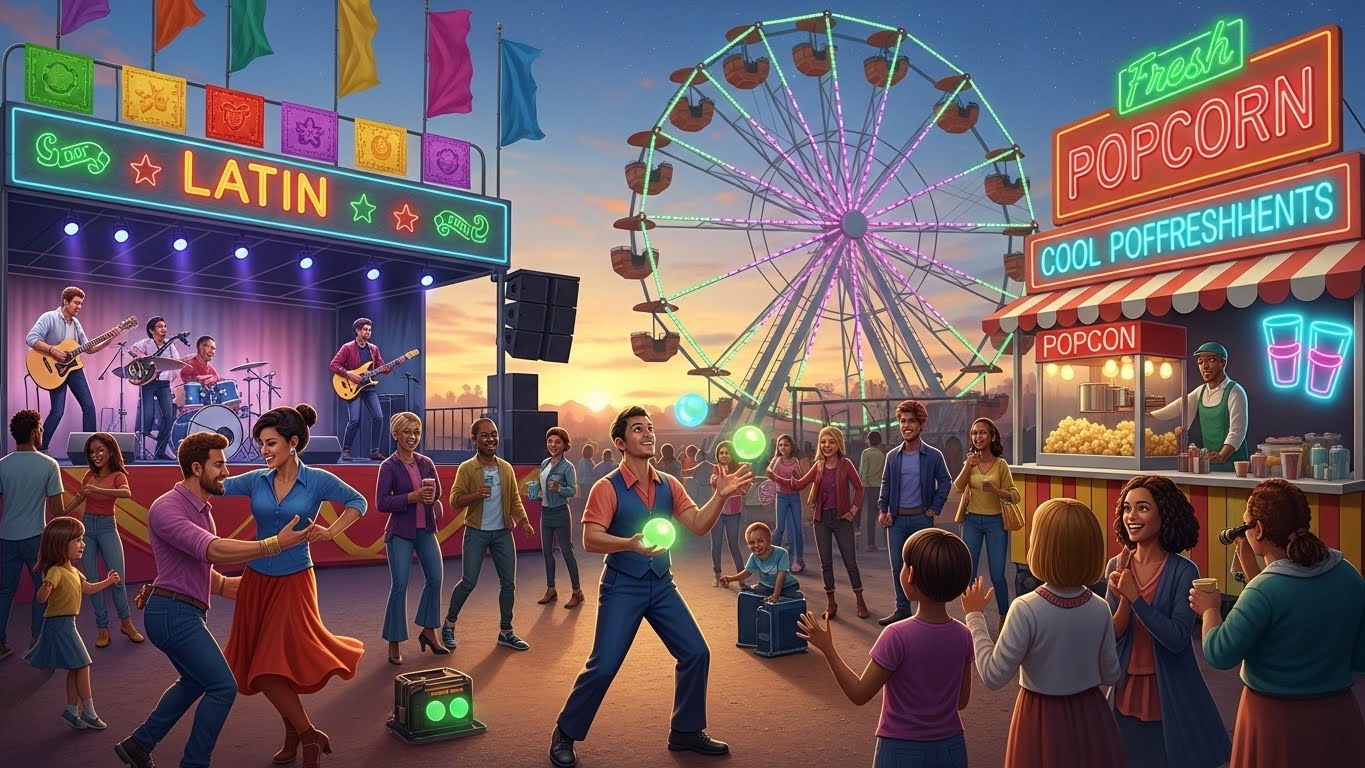

Entertainment is more than a simple way to pass the time; it is a reflection of society, a form of art, and a powerful tool that shapes culture and human experience. From the earliest storytelling around campfires to the immersive digital worlds of today, entertainment has continuously evolved, influencing how we perceive the world and connect with each other. In this blog, we explore the many facets of entertainment, its impact on society, and why it remains an essential part of human life.
The Evolution of Entertainment
The history of entertainment is as old as civilization itself. Early humans entertained themselves through storytelling, music, dance, and communal rituals. These activities were not only a source of enjoyment but also a means of passing down traditions and preserving cultural knowledge. Ancient theaters in Greece introduced drama as both entertainment and social commentary, while music and dance were central to religious and cultural ceremonies.
With the invention of the printing press, literature became a major source of entertainment. Books allowed people to explore distant lands, imagined worlds, and complex human emotions. The emergence of cinema in the early twentieth century marked a revolutionary shift. Films became a medium through which society could explore morality, identity, and dreams. Television soon followed, bringing entertainment directly into households and creating shared cultural experiences.
The digital era has transformed entertainment even further. Streaming services, social media, and gaming platforms allow instant access to endless content. Audiences today are no longer passive consumers; they actively participate, interact, and even create content, blurring the line between creator and consumer.
The Power of Storytelling
At the heart of all forms of entertainment is storytelling. Stories connect us to ideas, emotions, and experiences that we might never encounter in our daily lives. They allow us to explore human nature, grapple with moral dilemmas, and imagine alternative realities. Whether it is a movie, a novel, or a video game, the narrative is what captivates audiences and keeps them engaged.
Cinema and television are particularly powerful storytelling tools because they combine visuals, sound, and performance to create immersive experiences. A well-crafted film can make audiences laugh, cry, and reflect on life’s complexities. Music, on the other hand, conveys emotion through melody and rhythm, allowing listeners to experience joy, sorrow, or nostalgia. Video games add interactivity, enabling players to shape the story and become active participants in the narrative.
Storytelling in entertainment transcends age, culture, and geography. A compelling story can resonate with people across the globe, reminding us that human emotions and experiences are universal.
Music: The Universal Connector
Music has always been a cornerstone of entertainment. It is a universal language that communicates emotions, memories, and cultural identity. Music can bring people together, inspire movements, and serve as a form of personal expression. Across time, societies have used music for celebration, mourning, and ritual, illustrating its deep connection to human life.
The evolution of music has mirrored societal and technological changes. Classical compositions, jazz, rock, pop, hip-hop, and electronic music each reflect different periods, cultural influences, and technological advancements. Live concerts and festivals create communal experiences that unite audiences through shared passion and rhythm.
Today, digital platforms have made music more accessible than ever. People can explore new genres, discover emerging artists, and create personalized playlists. Music continues to influence fashion, social trends, and even political movements, proving that it is more than entertainment—it is a cultural force.
Film and Television: Reflecting Society
Movies and television shows are more than just leisure activities; they are mirrors of society. They reflect social values, explore human emotions, and address critical issues. Cinema and television have the power to inspire, challenge perceptions, and spark conversations about morality, identity, and justice.
The rise of streaming services has democratized content creation, enabling more diverse stories to reach global audiences. Independent filmmakers and small studios now have platforms to share unique narratives, resulting in a richer and more inclusive entertainment landscape. Television series, with their long-form storytelling, allow deep exploration of character development and intricate plots, offering audiences prolonged engagement and emotional investment.
Entertainment media also play a role in shaping public opinion. Popular films and shows can influence fashion, language, and social behavior, demonstrating the profound cultural impact of visual storytelling.
Gaming: The Interactive Frontier
The world of gaming has grown into one of the most influential forms of modern entertainment. Video games combine storytelling, strategy, and creativity, offering immersive experiences that require active participation. Unlike passive forms of entertainment, gaming challenges players to think, react, and make decisions that shape outcomes.
Gaming has evolved beyond consoles and computers. Mobile gaming, virtual reality, and augmented reality have expanded the ways people experience interactive entertainment. Esports has emerged as a global phenomenon, attracting massive audiences and establishing professional gaming as a legitimate competitive field.
Gaming offers more than fun; it fosters social interaction, problem-solving skills, and even cognitive development. It represents a fusion of technology, art, and imagination, appealing to casual players and dedicated enthusiasts alike.
The Social Impact of Entertainment
Entertainment plays a crucial role in shaping society. It can unify communities, provide a platform for discussion, and reflect cultural values. Popular media often mirrors societal issues while also challenging norms and encouraging progress. Films, television shows, and music can raise awareness about social injustices, inspire empathy, and motivate action.
Beyond social commentary, entertainment serves as an emotional outlet. People turn to movies, music, and games during stressful times to relax, escape, or find comfort. Shared entertainment experiences foster a sense of connection and belonging, whether through attending concerts, watching premieres, or engaging in online fan communities.
Economically, entertainment drives significant industries. Film studios, music labels, gaming companies, and event organizers contribute substantially to local and global economies, providing jobs and generating revenue. The influence of entertainment is therefore both cultural and financial, underscoring its integral role in modern life.
The Future of Entertainment
The future of entertainment promises innovation and transformation. Emerging technologies such as artificial intelligence, virtual reality, and augmented reality are redefining immersive experiences. Personalized content recommendations, interactive narratives, and AI-generated music are changing how audiences engage with entertainment.
As technology advances, the challenge will be maintaining creativity, authenticity, and emotional resonance. Human imagination and storytelling remain at the core of meaningful entertainment. Audiences will continue to value narratives that reflect their experiences, emotions, and aspirations.
The future also points to more participatory forms of entertainment. Viewers are no longer passive; they interact with content, provide feedback, and even create their own stories. This democratization of entertainment could lead to greater inclusivity and diversity, amplifying voices and experiences that were previously underrepresented.
Conclusion: Entertainment as a Reflection of Humanity
Entertainment is a fundamental aspect of human life. It informs, inspires, and connects us. From ancient storytelling to contemporary gaming, from symphonies to streaming services, entertainment reflects our imagination, creativity, and shared humanity.
Its power lies not only in the enjoyment it provides but in its ability to evoke emotions, challenge perceptions, and bring people together. Entertainment is both a mirror and a bridge, connecting us to our past, enriching our present, and opening doors to future possibilities.
In a world that is constantly changing, entertainment remains a constant companion, offering joy, inspiration, and connection. It reminds us of the beauty of human creativity, the universality of emotions, and the importance of shared experiences. Entertainment is not just a way to escape life; it is a way to understand, celebrate, and engage with it.
As long as humans seek stories, music, and experiences that captivate and inspire, entertainment will continue to thrive, shaping our lives and culture in ways both profound and enduring.