Entertainment has always been a reflection of human desire. In ancient times, people gathered around firelight for stories. Later, the world turned to theaters, cinemas, concerts, and now screens small enough to fit in the palm of our hands. But in today’s fast-moving digital age, a surprising shift is emerging. Instead of racing toward more content, many people are discovering the allure of slowing down. Entertainment is evolving from something we consume to something we experience, savor, and share with intention. This blog explores the hidden power of pause and how it is becoming the newest trend in the entertainment world.
The Rise of Slow Entertainment
The modern world is built around speed. Instant streaming, binge-watching, rapid-fire social media feeds, and endless content options have created an ecosystem where entertainment rarely stops. Yet, as people become overwhelmed by choice, many are turning toward slow entertainment, a movement that values depth over speed.
Slow entertainment is not about doing nothing. It is about enjoying moments deliberately. Whether it’s listening to a vinyl record, attending a poetry reading, rewatching an old favorite show with intention, or spending an afternoon with a long novel, the trend reflects a desire to reconnect with the emotional texture of experiences.
Why People Are Craving the Slow Down
One of the biggest reasons behind this shift is digital fatigue. With endless content options and algorithms designed to keep us glued to screens, entertainment began feeling less like pleasure and more like pressure. The pressure to keep up with the newest series, the fear of missing out on viral videos, and the constant push notifications contributed to a sense of mental overload.
Slowing down allows the brain to rest and refresh. It opens the door for deeper emotional responses. Instead of jumping from one video to the next, people can take time to reflect and let stories sink in. The emotional weight of entertainment strengthens when we give it space to breathe.
Storytelling Returns to the Spotlight
Fast content often demands short attention spans, but slow entertainment allows stories to reclaim their power. Long-form storytelling, immersive narratives, and layered character arcs all benefit from a slower pace. As people rediscover the pleasure of investing time in meaningful stories, creators are responding with content that rewards patience.
Books, podcasts, and long series with detailed world-building are becoming favorites again. While quick entertainment still has its place, many audiences are gravitating toward stories that feel richer and more personal. They want stories they can talk about, think about, and feel connected to.
The Beauty of Rewatching and Rediscovering
A major part of the slow-entertainment trend is the appreciation of familiar favorites. Rewatching beloved movies or shows is no longer seen as repetitive; instead, it is viewed as comforting and emotionally nourishing.
There is something special about returning to old favorites. You notice details you missed before. Scenes resonate differently as you grow older. Characters feel like old friends. Rewatching allows entertainment to evolve with you, turning a simple movie night into a nostalgic emotional journey.
Rediscovery is also taking shape in music, where people are exploring older albums, unplugged performances, and acoustic versions of songs. Vinyl records, in particular, invite listeners to slow down by demanding full attention. You cannot skip tracks with the tap of a finger; you must spend time with the record as it is.
Live Entertainment and the Power of Presence
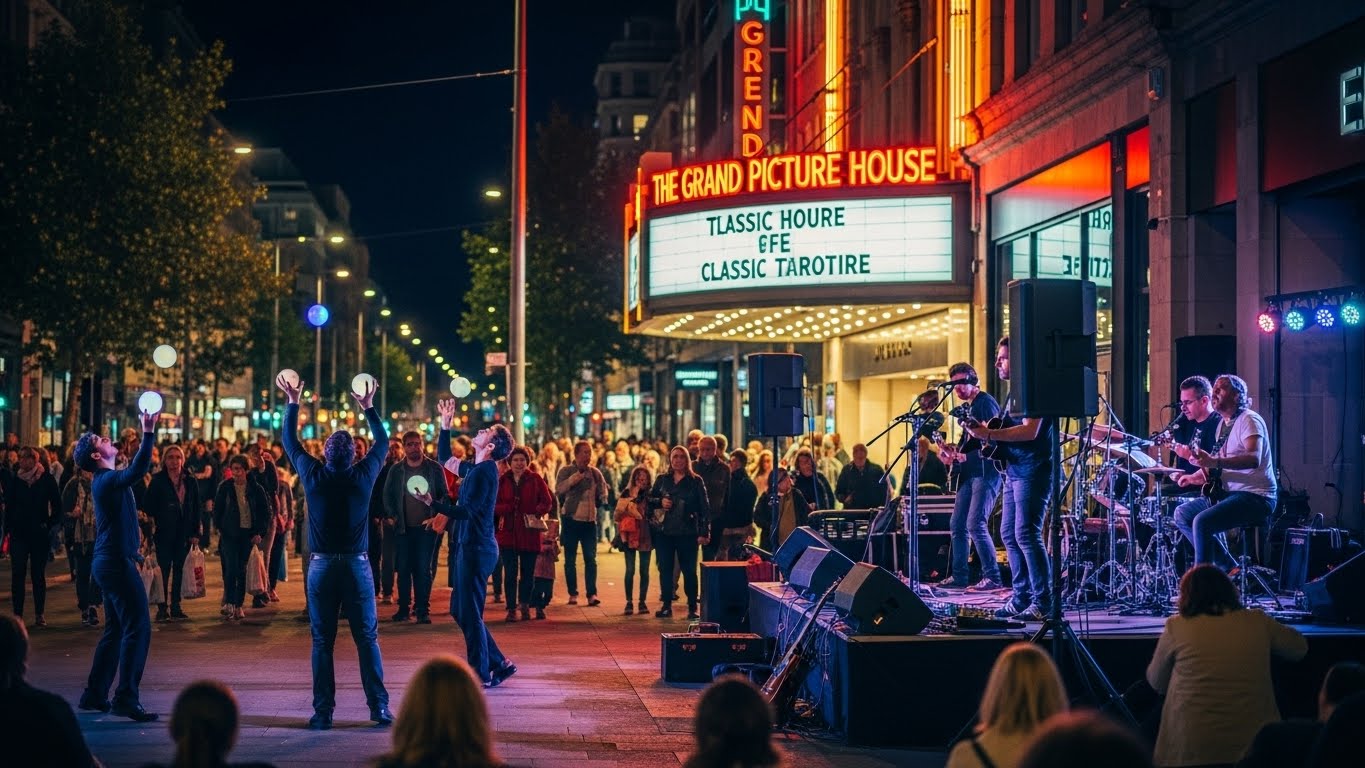
As digital entertainment grows, live performances are becoming even more valuable. Concerts, theater shows, stand-up comedy, and local cultural events offer something screens cannot replicate: presence.
In a world where so much entertainment is consumed alone, live events create a sense of community. They encourage people to put away their phones and be fully immersed in the moment. The laughter of a comedy show, the energy of a concert crowd, or the quiet thrill of a stage performance creates lasting memories.
Live entertainment also benefits from unpredictability. Anything can happen, and that spontaneity makes the experience feel alive. This type of entertainment serves as a reminder that the best moments often cannot be paused, replayed, or fast-forwarded.
The Joy of Interactive Entertainment
Another aspect of slowing down is choosing entertainment that requires participation. Interactive entertainment—such as board games, escape rooms, group storytelling games, or even simple family game nights—encourages connection rather than passive consumption.
These moments allow people to bond, collaborate, laugh, and think together. The entertainment becomes an experience rather than a distraction. This trend is especially popular among families and friend groups who want to spend meaningful time together without relying on screens.
Even video games are embracing slow entertainment. Cozy games that focus on creativity, exploration, and emotional storytelling offer players a peaceful escape rather than adrenaline-charged action. These games provide a unique form of relaxation while still engaging the mind.
Mindful Entertainment as a Wellness Practice
Slowing down isn’t just a trend; it’s becoming a form of self-care. People are choosing entertainment that boosts their mental and emotional well-being. Meditation apps, relaxing nature documentaries, calming music playlists, and journaling alongside entertainment experiences are growing in popularity.
Mindful entertainment encourages direct engagement with emotions. Instead of escaping from reality, people are learning to slow down and reconnect with themselves. This type of entertainment offers:
- Reduced stress
- Improved emotional clarity
- Enhanced creativity
- Better focus
- Higher enjoyment of everyday moments
Entertainment becomes more than a pastime—it becomes nourishment.
The Return of Community Spaces
As people embrace slower forms of entertainment, community spaces are experiencing a revival. Bookstores, art galleries, tea houses, and small theaters are becoming popular again because they offer calm environments where people can linger and enjoy experiences without rushing.
These spaces encourage conversations, personal reflection, and creative exploration. They also offer a sense of belonging, something many digital experiences lack. When entertainment is shared in a physical space, it becomes a collective moment that leaves a deeper impression.
Choosing Quality Over Quantity
Modern entertainment offers limitless choices, but the slow-entertainment trend encourages people to prioritize quality over quantity. Instead of watching ten shows at once or jumping between apps, people are choosing fewer but more meaningful experiences.
This shift transforms entertainment from background noise into something intentional. Whether it’s a carefully curated playlist, a beautifully filmed documentary, or a thoughtfully crafted video essay, quality content becomes more satisfying when consumed slowly.
How to Embrace Slow Entertainment in Your Own Life
Anyone can explore slow entertainment without giving up modern conveniences. Here are simple ways to welcome it into your routine:
Take a break from multitasking while watching or listening.
Give your full attention, and the experience becomes richer.
Create an entertainment ritual.
A warm drink, dim lighting, and comfortable seating can turn an ordinary movie or book into a special event.
Revisit old favorites.
Allow nostalgia to work its magic.
Attend live events whenever possible.
Even small local performances offer meaningful experiences.
Enjoy entertainment with others.
Shared laughter and reactions create stronger memories.
Set aside time for creativity.
Drawing, singing, writing, or playing music counts as entertainment too.
By choosing intention over speed, you transform entertainment into something that enriches your life.
The Future of Entertainment Is Slower, Deeper, and More Human
As technology continues to evolve, entertainment will continue to expand and innovate. But the heart of entertainment will always be human connection, emotion, and experience. The rise of slow entertainment reflects a desire to reconnect with those core values.
People want stories that touch them, music that moves them, and experiences that stay with them long after the moment passed. Slowing down allows us to rediscover the beauty in entertainment and appreciate how deeply it shapes our lives.
In the end, the hidden power of pause may become one of the most meaningful trends in the entertainment world. By choosing to savor rather than rush, we open ourselves to more joy, more depth, and more connection—proving that sometimes, the most powerful form of entertainment is simply taking our time.