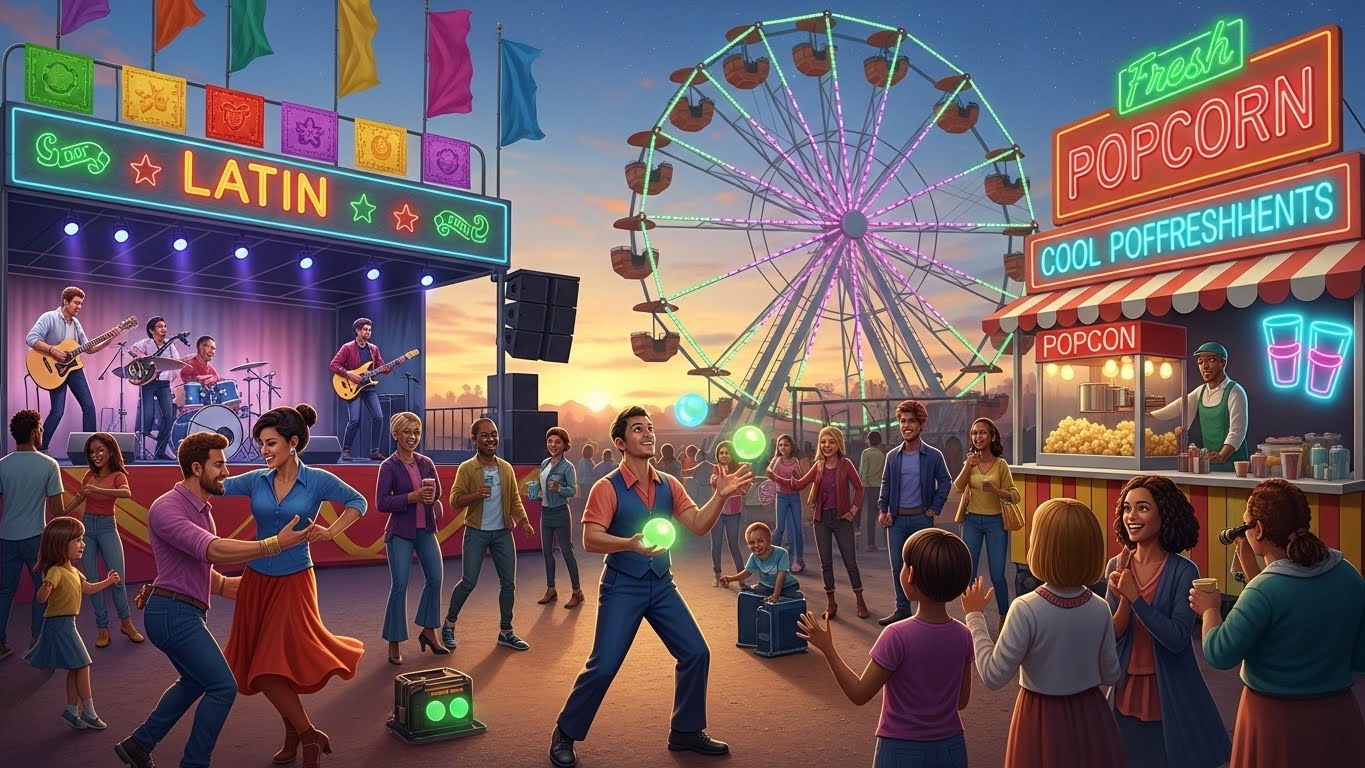

Entertainment has always been a fundamental part of human culture, serving as a source of joy, escape, and connection for generations. What started with the storytelling traditions of ancient civilizations has evolved dramatically, and today, entertainment is one of the most powerful forces in the world. It shapes how we interact with the world around us, influences our emotions, and even impacts our behavior. The way we consume entertainment has changed over the years, from the early days of radio and television to the rise of digital streaming and interactive media. This blog post will explore the evolution of entertainment, its impact on society, and where the industry is headed in the digital age.
The Birth of Mass Entertainment: Early Forms and the Rise of Radio and Cinema
Before the 20th century, entertainment was a local affair, often enjoyed in small communities. Storytelling, music, theater, and art were the primary means through which people experienced entertainment. As technology advanced, however, new forms of mass entertainment emerged, reaching larger audiences and transforming how people engaged with culture.
The invention of the radio in the early 1900s marked the first major breakthrough in mass entertainment. Suddenly, entertainment was no longer confined to a particular location. Families could tune in to listen to music, news, and dramatic radio shows, all from the comfort of their homes. Radio became a unifying force, helping shape national and international cultures, and it laid the foundation for the evolution of broadcast entertainment.
Cinema soon followed as another revolutionary form of entertainment. The first moving pictures were created in the late 19th century, but it wasn’t until the 1920s that cinema became a popular form of mass entertainment. Movies offered people a chance to escape their everyday lives and immerse themselves in stories and experiences that were often beyond their imagination. The rise of Hollywood in the 1930s and 1940s solidified cinema as a dominant force in global entertainment. Stars like Charlie Chaplin, Marilyn Monroe, and Humphrey Bogart became household names, and movie theaters became the go-to places for social gatherings and entertainment.
The Golden Age of Television: Shaping Modern Entertainment
By the 1950s, television emerged as the next major technological innovation that would redefine entertainment. The introduction of television into homes across the world brought entertainment directly into living rooms. People could now watch news broadcasts, sitcoms, dramas, and variety shows from the comfort of their own homes. The TV became a central fixture of family life, shaping popular culture and providing a platform for new forms of storytelling.
In the United States, the 1950s and 1960s are often referred to as the “Golden Age of Television.” Shows like I Love Lucy, The Twilight Zone, and The Ed Sullivan Show captivated audiences, while news programs like The CBS Evening News became a reliable source of information for millions. Television also gave rise to the concept of “prime time,” a scheduling format that ensured the most popular shows aired at the most convenient times.
Throughout the following decades, television continued to dominate entertainment, and the industry diversified with the growth of cable networks. Channels like HBO, MTV, and ESPN offered specialized programming, catering to specific tastes and interests. Cable television also introduced the concept of 24-hour broadcasting, offering viewers access to entertainment and news around the clock.
The Digital Revolution: The Shift from Broadcast to Streaming
The late 20th and early 21st centuries ushered in a new wave of technological advancements that fundamentally changed how we consume entertainment. The internet and the digital revolution disrupted traditional media, giving rise to streaming platforms, social media, and video games as major forms of entertainment.
One of the most significant changes in the entertainment landscape was the advent of digital streaming services. Companies like Netflix, Amazon Prime Video, and Hulu revolutionized the way people consume television and movies. Instead of being limited to a weekly schedule or a small selection of channels, viewers could now access an entire library of content at their fingertips. The flexibility of on-demand streaming allowed for a more personalized entertainment experience, where viewers could choose what to watch and when to watch it.
Netflix, in particular, played a crucial role in the rise of digital entertainment. Initially a DVD rental service, Netflix transitioned to streaming in 2007, and within a few years, it became a global powerhouse. Netflix not only provided access to popular films and TV shows but also started producing its own original content, such as House of Cards and Stranger Things. This shift to original programming marked a turning point for streaming services, with other platforms like Amazon Prime and HBO Max following suit.
The growth of streaming platforms also had a profound effect on traditional television networks and the movie industry. With more people choosing to stream content online, traditional cable television began to see a decline in viewership. The rise of cord-cutting (the practice of canceling cable subscriptions in favor of internet-based entertainment) was a direct result of the shift toward streaming. Likewise, movie theaters faced increasing competition from home streaming, leading some studios to experiment with simultaneous releases in theaters and on streaming platforms.
The Influence of Social Media: A New Era of Interaction and Content Creation
In addition to streaming, the rise of social media platforms like Facebook, Twitter, Instagram, and TikTok has created a new wave of entertainment. These platforms have enabled users to engage with entertainment content in ways that were previously unimaginable. Social media has not only democratized content creation, allowing anyone with a smartphone to produce and share videos, but it has also created new forms of entertainment, such as viral challenges, memes, and influencer culture.
The concept of “influencers” has become a major aspect of the entertainment industry. Influencers are individuals who have built large followings on social media platforms and can now monetize their content through brand partnerships, product promotions, and sponsorships. This new wave of content creators has disrupted traditional entertainment, as fans are drawn to the authenticity and relatability of influencers over traditional stars.
Moreover, social media has become a hub for fan-driven entertainment, where audiences actively participate in the creation and dissemination of content. For example, fan edits, reaction videos, and fan fiction allow fans to express their love for a particular show, movie, or game. This participatory nature of entertainment has fostered a sense of community and interaction that traditional media never could.
The Rise of Video Games: Interactive Entertainment in the Digital Age
While video games have existed for decades, the early 21st century has seen them rise to prominence as a dominant form of entertainment. The growth of gaming consoles, personal computers, and mobile devices has made video games more accessible than ever before. Titles like Fortnite, Minecraft, and League of Legends have drawn millions of players and viewers, turning video gaming into a social and competitive experience.
Unlike traditional forms of entertainment, video games allow for interactive engagement. Players are not just passive consumers of content; they actively shape the experience by making decisions, completing challenges, and interacting with other players. The rise of online multiplayer games has transformed gaming into a social activity, where players form teams, compete in tournaments, and build communities around their favorite games.
In addition to interactive gameplay, the advent of streaming platforms like Twitch has allowed gamers to share their experiences with a wider audience. Professional gamers and casual streamers alike broadcast their gameplay live, allowing viewers to watch, interact, and even influence the outcome of the game. This has given rise to eSports, where competitive gamers compete in front of large audiences for cash prizes and global recognition.
The Future of Entertainment: Virtual Reality, AI, and the Metaverse
As technology continues to advance, the future of entertainment looks even more immersive and interactive. One of the most exciting developments is the rise of virtual reality (VR) and augmented reality (AR). VR allows users to step into fully realized digital worlds, while AR blends digital content with the real world. These technologies are already beginning to reshape industries like gaming, movies, and live events, offering new opportunities for immersive experiences.
The metaverse—a collective virtual shared space—also holds significant promise for the future of entertainment. Companies like Facebook (now Meta) are investing heavily in the development of virtual environments where users can interact, socialize, and engage with digital content in entirely new ways. The metaverse could eventually provide a space for entertainment that blends gaming, social interaction, live performances, and virtual travel all into one immersive experience.
Artificial intelligence (AI) is another technology that will likely play a role in the future of entertainment. AI can be used to personalize content recommendations, enhance gaming experiences, and even create new forms of interactive storytelling. The potential for AI to generate art, music, and narratives could lead to new forms of entertainment that blur the line between creator and audience.
Conclusion: Entertainment in a Digital World
The evolution of entertainment from traditional forms like radio and cinema to the rise of digital streaming, social media, and video games demonstrates how technology has continually reshaped how we experience culture. Today, entertainment is more interactive, personalized, and accessible than ever before, with new technologies like virtual reality, artificial intelligence, and the metaverse promising even more immersive and engaging experiences in the future.
As entertainment continues to evolve, one thing remains clear: it will always be an essential part of our lives, connecting us, entertaining us, and providing an outlet for creativity and expression. Whether through the stories we watch, the games we play, or the content we create, entertainment will continue to be a powerful force in shaping society and culture for generations to come.