Entertainment is one of the most powerful forces that shape human culture. From the earliest tribal dances and storytelling fires to the glittering screens of today’s digital world, it has always been an essential part of our lives. Entertainment gives us a way to escape, to imagine, to dream, and sometimes, to understand ourselves and the world around us more deeply.
In this blog, we will explore the different dimensions of entertainment — from its history and evolution to modern trends like streaming, social media, gaming, and virtual experiences. We will also discuss how entertainment impacts society, creativity, and human emotions.
The Origins of Entertainment
Long before movies, music, and television, people found joy in stories. Ancient civilizations had their own forms of entertainment — songs, plays, poetry, dances, and festivals that celebrated gods, seasons, or victories. These early performances served both spiritual and social purposes, uniting communities and passing down traditions.
The Greeks gave us the idea of theater, where tragedy and comedy played crucial roles in civic life. Roman gladiator games, though brutal, reflected the public’s fascination with spectacle. In the East, classical dances and shadow puppetry evolved as beautiful art forms. Over time, storytelling merged with music and visual art to become more elaborate and expressive.
Entertainment wasn’t just about fun — it was a way of expressing collective emotions, preserving culture, and building community identity.
The Rise of Performing Arts
As societies developed, entertainment began to specialize. The performing arts — including theater, dance, and music — became established forms of expression. During the Renaissance, theater flourished with playwrights like Shakespeare, whose works continue to influence storytelling today.
Opera and ballet emerged as high forms of art in Europe, combining music, drama, and movement. These performances were not only artistic but also social events, attended by royalty and commoners alike.
At the same time, folk music and local traditions kept entertainment close to the people. The singing of ballads, the rhythm of drums, and the energy of street performers made every village and city corner a stage.
The Technological Revolution in Entertainment
The industrial revolution brought about dramatic changes. With new inventions came new ways to entertain. The phonograph allowed people to listen to music at home. The invention of the motion picture camera gave rise to cinema — perhaps the most revolutionary form of entertainment in human history.
In the early 20th century, silent films captivated audiences, and soon after, “talkies” transformed the experience completely. Cinema became a shared cultural experience, a place where dreams came to life. It didn’t matter who you were or where you came from — everyone could laugh, cry, and feel inspired together.
Television followed, bringing entertainment directly into people’s living rooms. Radio dramas and TV shows became household staples, creating stars and shaping public opinion. Technology had made entertainment universal.
The Golden Age of Cinema
The mid-20th century is often considered the golden age of cinema. Hollywood dominated the world’s screens with legendary actors, timeless music, and powerful storytelling. Genres like romance, westerns, musicals, and thrillers defined generations.
This was the era of glamour and stardom. Celebrities became icons — their style, charm, and talent inspiring millions. People queued outside theaters to watch the latest release, and film studios competed to create unforgettable masterpieces.
But cinema was not limited to Hollywood. Around the world, new film industries were emerging — from Bollywood in India to European arthouse cinema and Japanese anime. Each brought its own flavor and storytelling tradition, enriching the global entertainment landscape.
Music: The Universal Language
If cinema is the art of vision, then music is the art of emotion. Music transcends boundaries and languages. It can heal, inspire, and unite. From the rhythmic beats of Africa to the soulful melodies of Europe and the electrifying energy of rock and pop, music has always been at the heart of entertainment.
In the 20th century, music evolved rapidly. Jazz, rock and roll, pop, hip-hop, classical, and electronic genres each defined different generations. The arrival of recording technology, vinyl, cassette tapes, and CDs made music more accessible than ever.
Today, streaming platforms and digital downloads have transformed how we listen. Anyone can create, publish, and share their music with the world. Independent artists now have opportunities that were once unimaginable, making music one of the most democratic art forms.
The Digital Revolution and Streaming Era
The internet changed entertainment forever. What was once bound by physical limitations became available at the click of a button. Streaming platforms have revolutionized how we consume movies, music, and shows.
We no longer have to wait for a television schedule — we decide what, when, and how we want to watch. This personalization has created an era of endless choice. Binge-watching, playlists, and algorithm-driven recommendations are now part of our daily lives.
Streaming has also opened doors for diverse storytelling. Independent creators and small studios can reach global audiences without relying on traditional gatekeepers. This digital revolution has not only changed consumption patterns but also empowered new voices and perspectives in entertainment.
The Power of Social Media in Entertainment
Social media platforms have blurred the line between creator and consumer. Anyone with a smartphone can become an entertainer. Platforms like YouTube, Instagram, and TikTok have created a new generation of stars — influencers, vloggers, comedians, and musicians who connect directly with fans.
These platforms have democratized fame. A viral moment can make someone a global sensation overnight. Social media also allows for real-time interaction, giving fans a sense of connection and participation that traditional entertainment could not offer.
However, it also brings challenges — pressure for constant content, comparison, and mental health issues among creators. The world of online entertainment can be thrilling yet demanding, balancing creativity with the need for authenticity.
Gaming: The Interactive Future of Entertainment
Video games have evolved from simple arcade fun into complex worlds of storytelling, art, and technology. Today’s games rival movies in terms of production quality, with cinematic graphics, powerful narratives, and emotional depth.
Gaming is no longer just for kids — it’s a massive global industry. Competitive gaming, or eSports, fills arenas with fans cheering for their favorite players. Virtual reality (VR) and augmented reality (AR) have taken gaming even further, offering fully immersive experiences.
Games now tell stories, explore social themes, and even serve educational purposes. They are not just entertainment; they are art, interaction, and innovation combined.
Live Entertainment: The Power of Presence
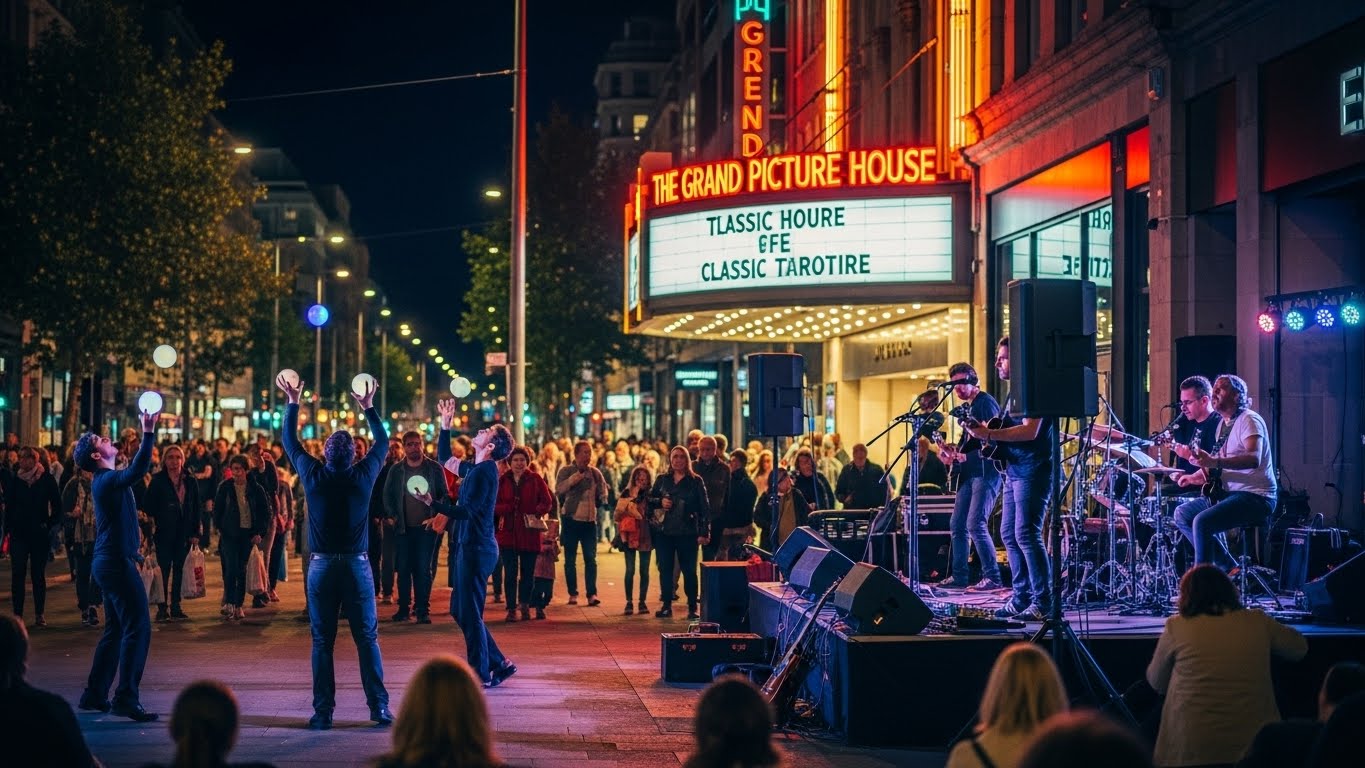
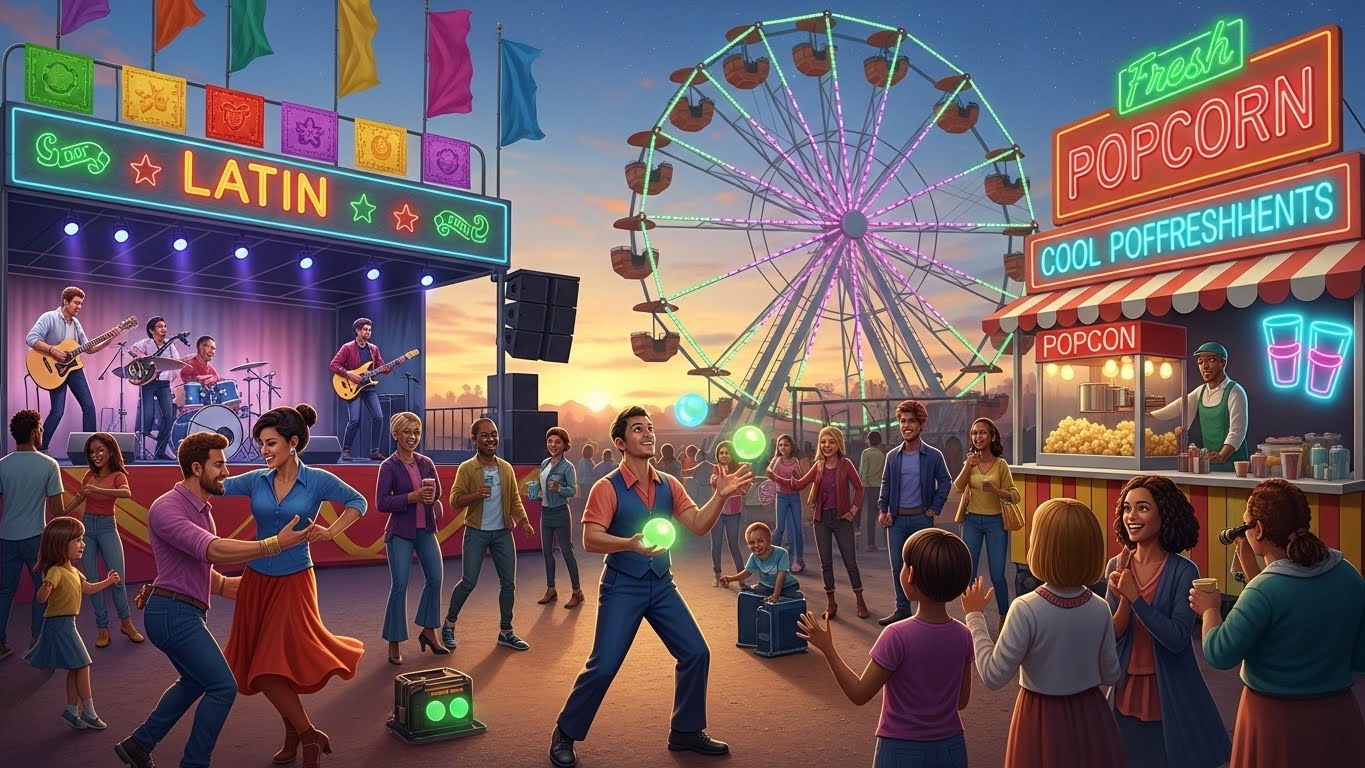
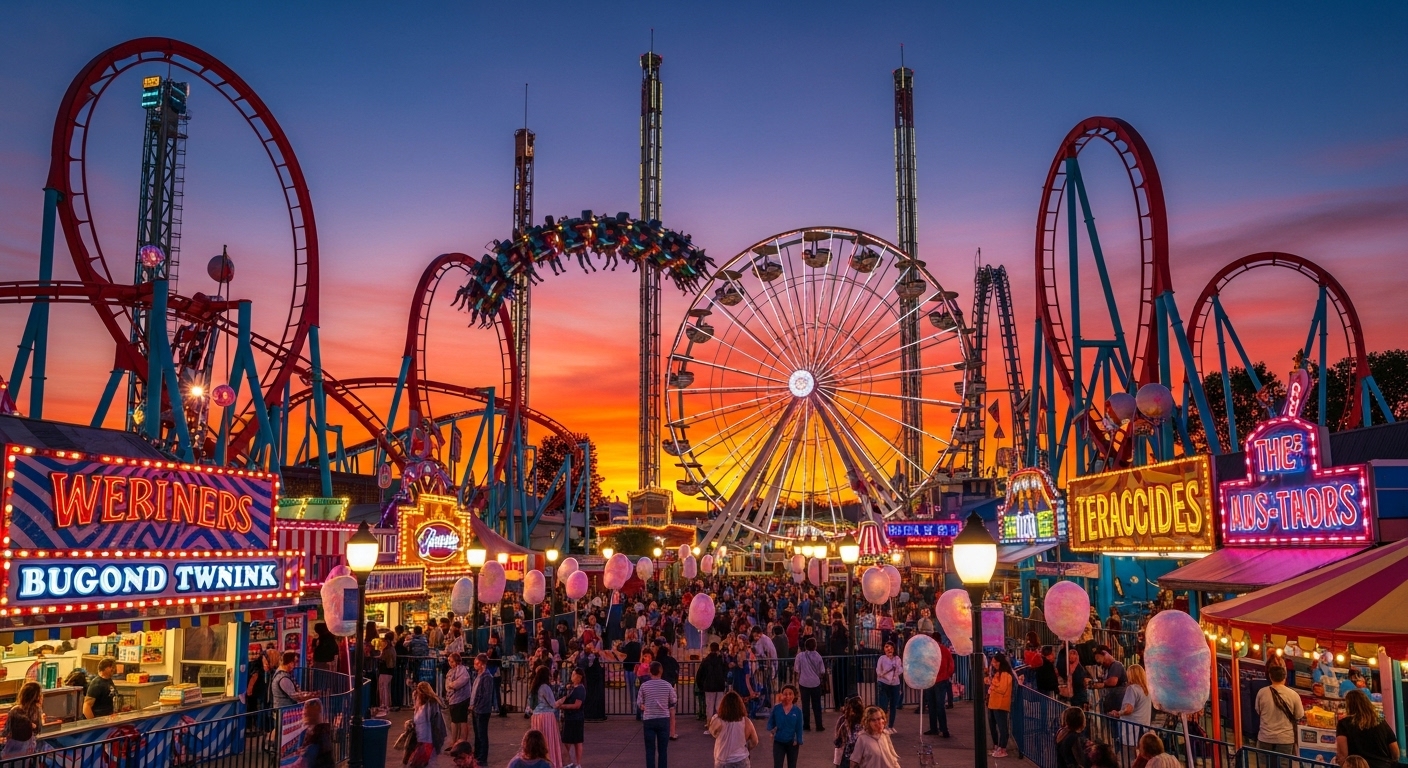
Despite all the technological advances, live entertainment still holds a special place in our hearts. Concerts, theater performances, comedy shows, and festivals create unforgettable moments. The energy of a live crowd, the lights, the music, the atmosphere — these are things that screens can never fully replicate.
After the isolation of global events like the pandemic, live performances have made a powerful comeback. People crave shared experiences and the emotion of being part of something larger.
Live entertainment reminds us that human connection is at the core of all joy. Whether it’s a singer performing before thousands or a small local play in a community hall, live art continues to thrive.
The Role of Technology in Modern Entertainment
From artificial intelligence to 3D animation, technology continues to push the boundaries of creativity. AI can compose music, generate scripts, and even act as a creative assistant. Special effects make impossible worlds come to life on screen.
Virtual concerts, interactive storytelling, and immersive theater are blending art with science. The entertainment of the future will likely be personalized, interactive, and even more connected.
However, this also raises questions about originality, ethics, and the role of human creativity in an increasingly automated world. Technology can enhance art, but it must not replace the artist’s soul.
The Business of Entertainment
Behind every great show or movie is a vast network of professionals — writers, producers, directors, marketers, and technicians. The entertainment industry is not just about art; it’s also about economics.
From billion-dollar movie franchises to independent music releases, every form of entertainment relies on a business model. Advertising, streaming subscriptions, ticket sales, and merchandising all contribute to this massive global economy.
In recent years, digital monetization has become key. Content creators now earn through sponsorships, views, and fan support. The relationship between art and commerce is closer than ever before, creating both opportunities and challenges.
Cultural Influence of Entertainment
Entertainment shapes how we think, dress, and even dream. Movies and music influence fashion, social behavior, and cultural trends. Television shows create global conversations, and celebrities often set the tone for what’s “cool” or “trending.”
But entertainment also has a deeper impact. It can challenge stereotypes, raise awareness, and inspire social change. Films about equality, songs about hope, and plays about injustice have all sparked important discussions.
Entertainment is not just reflection — it’s also a force of transformation. It helps societies express their joys, struggles, and aspirations.
The Dark Side of Entertainment
While entertainment brings happiness, it also has a darker side. Fame can be overwhelming. The constant pressure to stay relevant can lead to burnout, mental health struggles, and loss of privacy.
The industry has also faced criticism for promoting unrealistic beauty standards, violence, and materialism. With so much content available, distinguishing between art and noise has become more difficult.
Social media fame can be fleeting, and many creators struggle to maintain a balance between authenticity and popularity. As audiences, it’s important to support responsible entertainment — one that uplifts rather than exploits.
Entertainment and Human Emotion
One of the greatest powers of entertainment lies in its ability to evoke emotions. A movie can make us cry, a song can heal our heart, a game can make us feel triumphant, and a story can give us hope.
Psychologically, entertainment allows us to process feelings in a safe space. It offers catharsis — the release of pent-up emotions. When we laugh at a comedy or get scared during a horror movie, we’re not just reacting; we’re connecting deeply to our humanity.
This emotional connection is why entertainment will always remain a vital part of life.
The Future of Entertainment
As we move deeper into the digital age, entertainment will continue to evolve. Artificial intelligence, holographic concerts, and metaverse experiences are already redefining creativity.
The future will likely be more immersive and personalized. Imagine movies that change their ending based on your mood, or concerts where your avatar sings along with your favorite artist.
But even in this futuristic world, one thing will never change — our need for stories. Technology may change the medium, but the message remains timeless: humans crave connection, emotion, and imagination.
Conclusion: Entertainment as the Heartbeat of Humanity
Entertainment is more than just passing time — it’s a mirror of who we are. It reflects our dreams, our fears, and our values. From the first cave paintings to virtual reality, every generation has found ways to express itself creatively.
As audiences, we are not just consumers; we are part of the story. Every song we play, every movie we watch, every performance we attend shapes the collective rhythm of humanity.
In the end, entertainment is the heartbeat of life — reminding us to laugh, to cry, to dream, and to feel alive.