In the ever-evolving world of entertainment, the rapid advancement of technology has not only changed how we access content but also redefined the very nature of entertainment itself. Gone are the days when we relied solely on television broadcasts or movie theaters for our entertainment fix. With the rise of streaming services, social media platforms, virtual reality, and artificial intelligence, the entertainment landscape has become more diverse, interactive, and personalized than ever before. Let’s explore how entertainment has transformed in the digital age and what the future holds.
The Streaming Revolution: Entertainment on Demand
One of the most significant shifts in the entertainment industry has been the rise of streaming platforms. In just a few years, services like Netflix, Disney+, Amazon Prime Video, and Hulu have completely changed how we watch TV shows, movies, and documentaries. The days of waiting for a weekly episode to air on television are long gone, replaced by the convenience of streaming entire seasons in one sitting. This “binge-watching” culture has reshaped our relationship with television, allowing us to consume content at our own pace, whenever and wherever we choose.
What makes streaming so revolutionary isn’t just the convenience but also the sheer volume of content available. Whether you’re into indie films, international cinema, or the latest blockbuster, streaming platforms offer an endless array of choices that cater to every taste. As a result, the entertainment industry has seen a democratization of content creation, with smaller studios and independent filmmakers finding new avenues to reach audiences who might never have seen their work in traditional theaters.
The Interactive Shift: Gaming and Beyond
While traditional forms of entertainment like television and film are still popular, the rise of interactive entertainment has added a new dimension to the industry. Video games have long been a form of interactive media, but now, with advancements in technology, games are more immersive and cinematic than ever before. Titles like The Last of Us or Red Dead Redemption 2 blend gripping storytelling with stunning graphics, creating experiences that rival traditional films in their emotional depth and artistic quality.
But gaming isn’t just limited to consoles or PCs anymore. Mobile gaming has exploded in popularity, with millions of people around the world playing games on their smartphones. Additionally, augmented reality (AR) and virtual reality (VR) are changing the way we think about gaming, offering experiences where players can physically interact with virtual worlds. As VR technology becomes more affordable and sophisticated, the potential for even more immersive and interactive experiences grows.
The Influence of Social Media: Where Fans and Creators Meet
In the digital age, social media platforms like TikTok, Instagram, and Twitter have become essential parts of the entertainment ecosystem. These platforms allow not only celebrities and influencers to interact with their followers but also provide a space for users to share their own creative content. Viral challenges, memes, and trends spread across these networks, often leading to mainstream success for songs, dances, and videos that might have otherwise gone unnoticed.
Perhaps the most striking change has been the rise of influencers—individuals who build large online followings and monetize their influence. These creators now have the power to shape trends, promote products, and even create their own content like TV shows, podcasts, or even music. The traditional barriers to entering the entertainment industry have been lowered, giving more people the opportunity to find fame and success outside of conventional channels.
The Role of Artificial Intelligence: Enhancing Creativity
As artificial intelligence (AI) continues to advance, it’s starting to play a major role in entertainment production. From AI-assisted scriptwriting to AI-generated music and visuals, technology is helping creators enhance their work and streamline production. For instance, AI is being used to analyze vast amounts of data to predict audience preferences, tailoring content to suit individual tastes. Platforms like Netflix and Spotify rely on AI-driven algorithms to recommend TV shows, movies, and songs based on your viewing or listening history.
But AI’s impact goes beyond content recommendation. In film production, AI can assist with visual effects, editing, and even generating CGI characters or environments that would have once taken weeks to create. As the technology continues to improve, we may even see AI-driven storylines, where the audience can influence the direction of the plot, creating a completely interactive narrative experience.
The Future of Live Entertainment: Hybrid and Virtual Events
While live concerts and theater performances have been a cornerstone of entertainment for centuries, the COVID-19 pandemic has accelerated a shift toward virtual events. Artists and performers have embraced live streaming to stay connected with their fans, with platforms like YouTube Live, Twitch, and Instagram Live providing a way for audiences to experience concerts, plays, and even comedy shows from the comfort of their own homes.
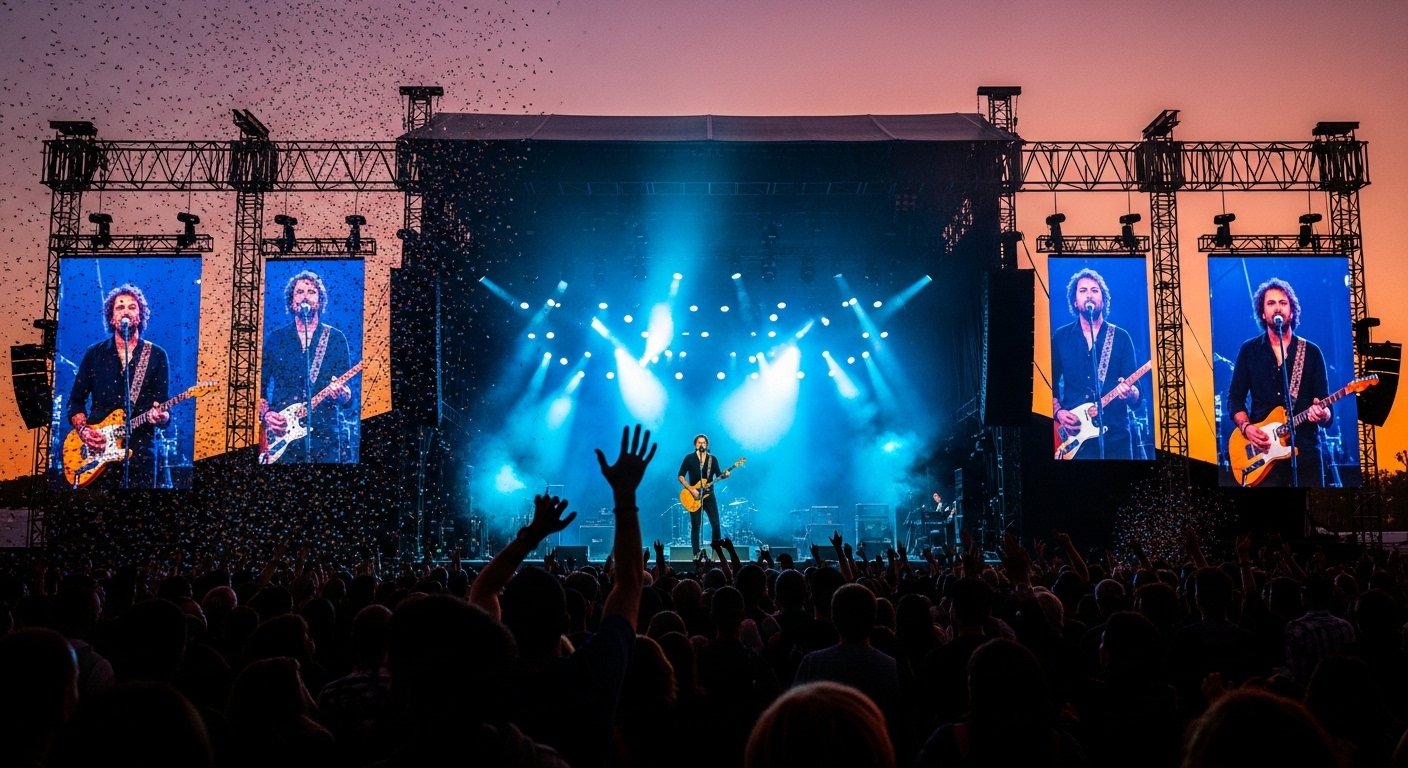
However, the future of live entertainment may not be purely virtual. We’re already seeing the emergence of hybrid events, where audiences can participate both in-person and virtually. This trend is especially prominent in the world of gaming and esports, where massive tournaments and live-streamed events attract millions of viewers online while maintaining a physical audience at the venue. As technology improves, we might see more immersive live events that blend physical and virtual experiences, allowing fans from around the world to join in real-time, regardless of location.
Sustainability in Entertainment: The Growing Focus on Green Practices
As global awareness of environmental issues grows, the entertainment industry is also starting to embrace sustainability. Film productions, in particular, have a significant environmental footprint, from energy consumption to waste generation. However, many studios are beginning to adopt more eco-friendly practices, such as using renewable energy on sets, recycling props and costumes, and reducing water usage during filming.
In the world of live entertainment, sustainability has become a priority as well. Concerts and festivals are now adopting greener practices, from using solar-powered stages to encouraging carpooling or public transportation for attendees. Some music festivals even offer carbon offsets to balance out the environmental impact of the event.
Conclusion: A New Era of Entertainment Awaits
The digital age has ushered in a new era of entertainment that’s more immersive, interactive, and accessible than ever before. Streaming platforms have revolutionized how we consume content, while social media has given rise to new forms of creative expression and fan engagement. Technologies like virtual reality and AI are pushing the boundaries of what’s possible, offering more personalized and dynamic experiences. And as the industry continues to evolve, we can expect even more exciting developments on the horizon, from hybrid live events to the next generation of interactive storytelling.
The future of entertainment is here, and it’s an exciting time for creators and audiences alike. Whether you’re a fan of traditional media or cutting-edge technology, the digital age offers something for everyone—and it’s only going to get more thrilling from here.