Entertainment is an essential part of human existence. It allows us to escape reality, explore creativity, and connect with others through shared experiences. From ancient rituals and storytelling to modern cinema, music, gaming, and live performances, entertainment has evolved with humanity, reflecting cultural trends, technological progress, and societal values. Beyond mere amusement, it influences emotions, sparks imagination, and contributes to personal and collective growth. This blog explores the expansive world of entertainment, its evolution, cultural significance, technological advancements, social impact, and future potential.
The Historical Roots of Entertainment
Entertainment has existed as long as humanity has sought ways to amuse, educate, and communicate. In ancient civilizations, storytelling was central to community life, preserving traditions, myths, and lessons. Music and dance accompanied rituals, ceremonies, and celebrations, creating communal experiences that reinforced social cohesion. Theater in ancient Greece and Rome dramatized human emotions, moral dilemmas, and political themes, demonstrating that entertainment could both amuse and inspire reflection.
Throughout history, entertainment evolved with society. Literature, poetry, and visual arts expanded artistic expression, while public spectacles such as gladiatorial games and carnivals offered excitement and social engagement. These early forms of entertainment laid the groundwork for modern media and cultural expression, showing humanity’s enduring desire for stories, music, and performance.
Film and Television: The Art of Storytelling
Film and television are among the most influential forms of modern entertainment. They combine visuals, sound, narrative, and performance to tell compelling stories that resonate across cultures and generations. Cinema allows creators to explore complex themes, evoke emotions, and transport audiences to imaginative worlds. From early silent films to modern blockbusters, movies entertain while also reflecting societal concerns and values.
Television has undergone a remarkable transformation. Originally a passive medium with scheduled programming, it has become interactive and on-demand through streaming platforms. Viewers can now choose what to watch, when to watch it, and how to engage with it. Television also serves as a cultural mirror, influencing fashion, social behavior, and popular trends. Together, film and television continue to shape how people experience storytelling, culture, and shared entertainment.
Music: The Universal Language
Music is one of the most universal and emotionally powerful forms of entertainment. It transcends language and cultural barriers, creating shared experiences that connect people across the globe. From classical symphonies to contemporary pop, music influences moods, evokes memories, and inspires creativity.
Live concerts, music festivals, and digital streaming platforms have revolutionized how audiences consume music. Artists not only entertain but also influence fashion, social movements, and cultural identity. Music continues to evolve, blending genres, technologies, and performance styles, demonstrating its enduring power as a form of entertainment that educates, inspires, and connects.
Gaming: Interactive Entertainment for the Modern Age
Gaming has become a major facet of contemporary entertainment, combining interactive storytelling, immersive worlds, and competitive challenges. Unlike traditional media, gaming actively engages participants, requiring skill, strategy, and creativity. From casual mobile games to complex video game universes, gaming offers diverse experiences for people of all ages and backgrounds.
Competitive gaming and esports have transformed gaming into a professional arena, with global tournaments, streaming platforms, and dedicated fan communities. Interactive gaming also fosters collaboration, problem-solving, and critical thinking. Its combination of technology, artistry, and engagement makes gaming one of the fastest-growing sectors of the entertainment industry.
Live Performance: Theater, Dance, and Festivals
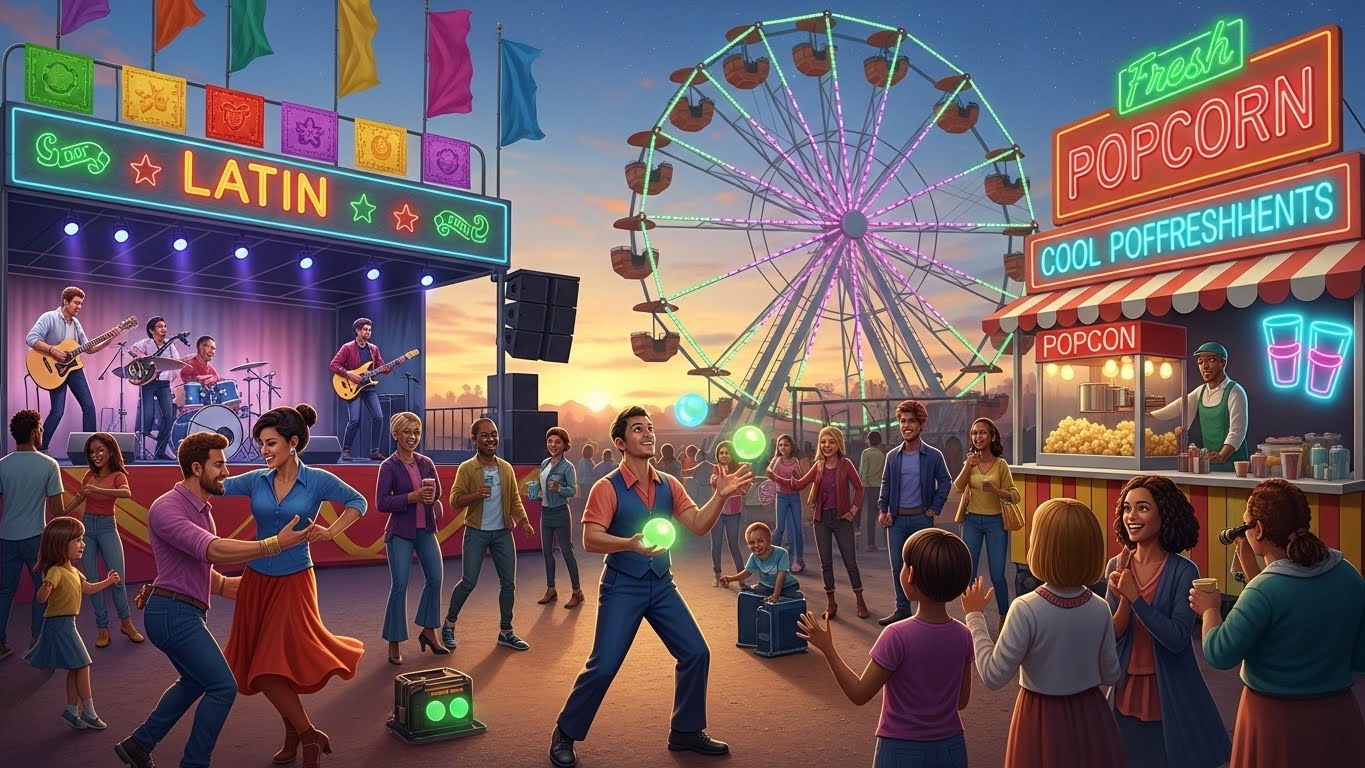
Live performances remain a unique and irreplaceable form of entertainment. Theater, dance, concerts, and festivals provide real-time experiences that create emotional connections between performers and audiences. Unlike recorded media, each live performance is distinct, fostering a sense of presence and shared experience.
Cultural festivals celebrate artistic expression, heritage, and creativity. They bring communities together, stimulate local economies, and inspire emerging artists. Live performance continues to coexist with digital entertainment, offering an intimate, interactive, and communal aspect of human culture that remains vital to society.
The Cultural Impact of Entertainment
Entertainment is deeply intertwined with culture. It reflects societal values, explores ethical questions, and provides a platform for discussing social issues. Films, music, games, and live performances often address themes such as identity, justice, love, and freedom, offering audiences a lens through which to understand the human experience.
Entertainment also facilitates cross-cultural exchange. Global access to media allows people to experience traditions, narratives, and artistic styles from around the world. It promotes empathy, understanding, and appreciation of diversity. Through entertainment, culture becomes both shared and accessible, bridging gaps and creating collective experiences that transcend geography.
The Economic Power of Entertainment
Entertainment is a major economic driver, generating billions of dollars in revenue worldwide. The industry encompasses film production, music, gaming, live events, streaming services, and media distribution. Employment opportunities span creative roles, technical production, marketing, management, and support services.
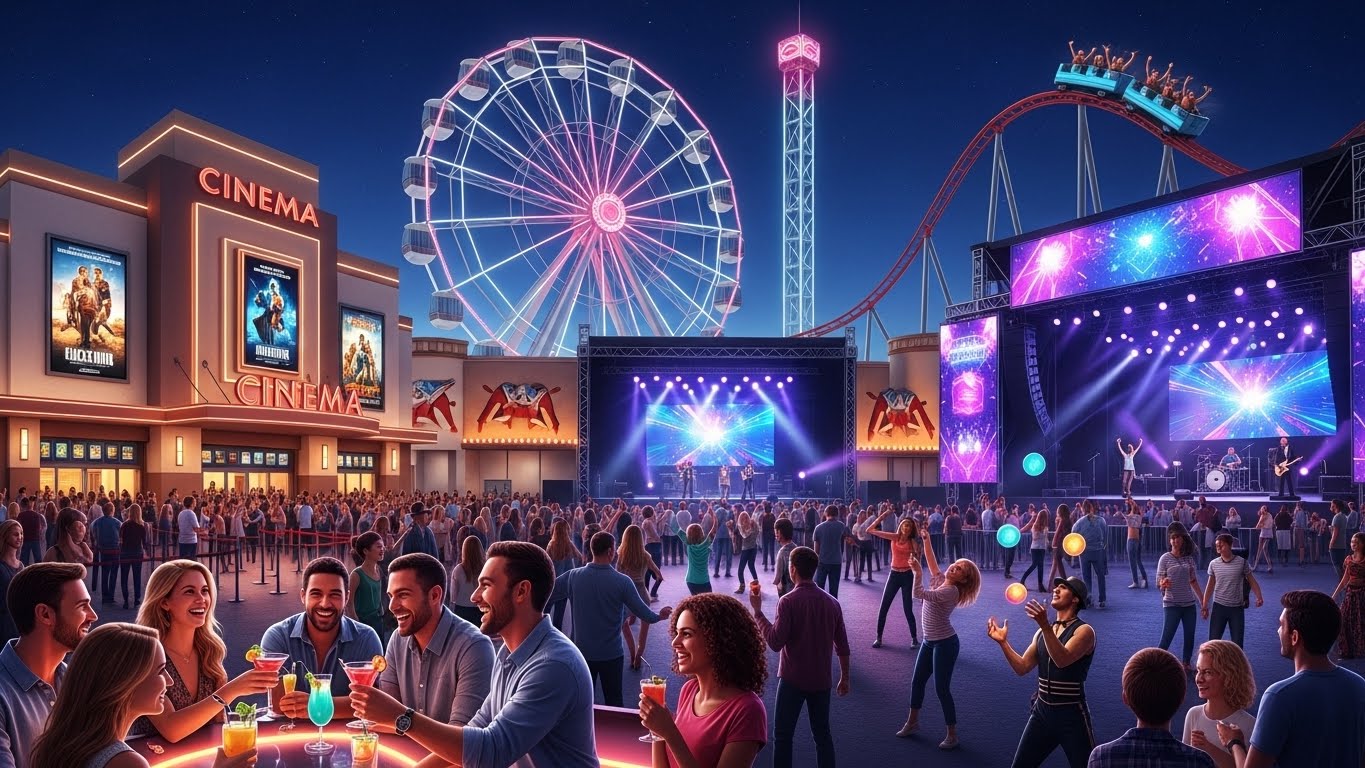
Major entertainment events, such as film premieres, music festivals, and esports tournaments, stimulate local economies by attracting tourism, creating temporary and permanent jobs, and supporting related businesses. Beyond direct revenue, the entertainment industry also drives innovation in technology, marketing, and creative production, illustrating its significant societal and economic impact.
Technology and the Transformation of Entertainment
Technological advancements have reshaped the entertainment landscape, enhancing accessibility, interactivity, and immersion. High-definition visuals, surround sound, virtual reality, augmented reality, and interactive media have elevated the audience experience. Technology allows content creators to experiment with new formats, styles, and storytelling techniques.
Streaming platforms, social media, and online communities enable audiences to engage directly with content and creators. Artificial intelligence and machine learning help tailor personalized entertainment experiences, while innovations in gaming, animation, and film production continue to push boundaries. Technology ensures that entertainment evolves alongside human creativity and cultural needs.
Psychological and Social Benefits of Entertainment
Entertainment offers numerous psychological benefits. It provides relaxation, reduces stress, and offers emotional catharsis. Engaging with stories, music, games, or performances allows individuals to experience empathy, imagination, and personal reflection.
Socially, entertainment fosters connection. Fans share experiences, participate in communities, and engage in collaborative activities. Entertainment also encourages creativity and self-expression, empowering individuals to explore new ideas and perspectives. In both personal and social contexts, entertainment plays a crucial role in mental well-being and cultural engagement.
Challenges in the Entertainment Industry
Despite its benefits, the entertainment industry faces challenges. Rapid technological changes require constant adaptation from creators and distributors. Issues such as piracy, copyright infringement, and ethical concerns must be addressed to protect intellectual property and ensure fair practice.
Additionally, the accessibility of digital entertainment raises questions about overconsumption, screen time, and exposure to harmful content. Inclusive representation, diversity, and safety are ongoing priorities for creators and platforms. Balancing commercial success with cultural responsibility remains a central challenge for the industry.
The Future of Entertainment
The future of entertainment promises innovation, interactivity, and global connection. Emerging technologies, including virtual reality, augmented reality, artificial intelligence, and immersive media, will create new ways to experience stories, music, and performance. Personalized and interactive content will redefine engagement, making entertainment more adaptive, social, and inclusive.
Entertainment will continue to blend traditional formats with modern technology, creating hybrid experiences that captivate audiences. It will play a growing role in education, social interaction, cultural exchange, and professional development. As society evolves, entertainment will remain a vital force for creativity, connection, and inspiration.
Conclusion
Entertainment is far more than amusement; it is a reflection of humanity’s imagination, culture, and creativity. From ancient storytelling to modern digital media, it shapes emotions, inspires action, and connects people across time and space. Film, music, gaming, and live performance provide experiences that educate, entertain, and unite, enriching personal and collective life.
As technology and culture continue to evolve, entertainment will remain central to human experience. It will offer new forms of storytelling, interactivity, and social connection while preserving its timeless ability to inspire, engage, and delight. The magic of entertainment lies in its ability to transform ordinary moments into extraordinary experiences, leaving a lasting impact on individuals and society alike.