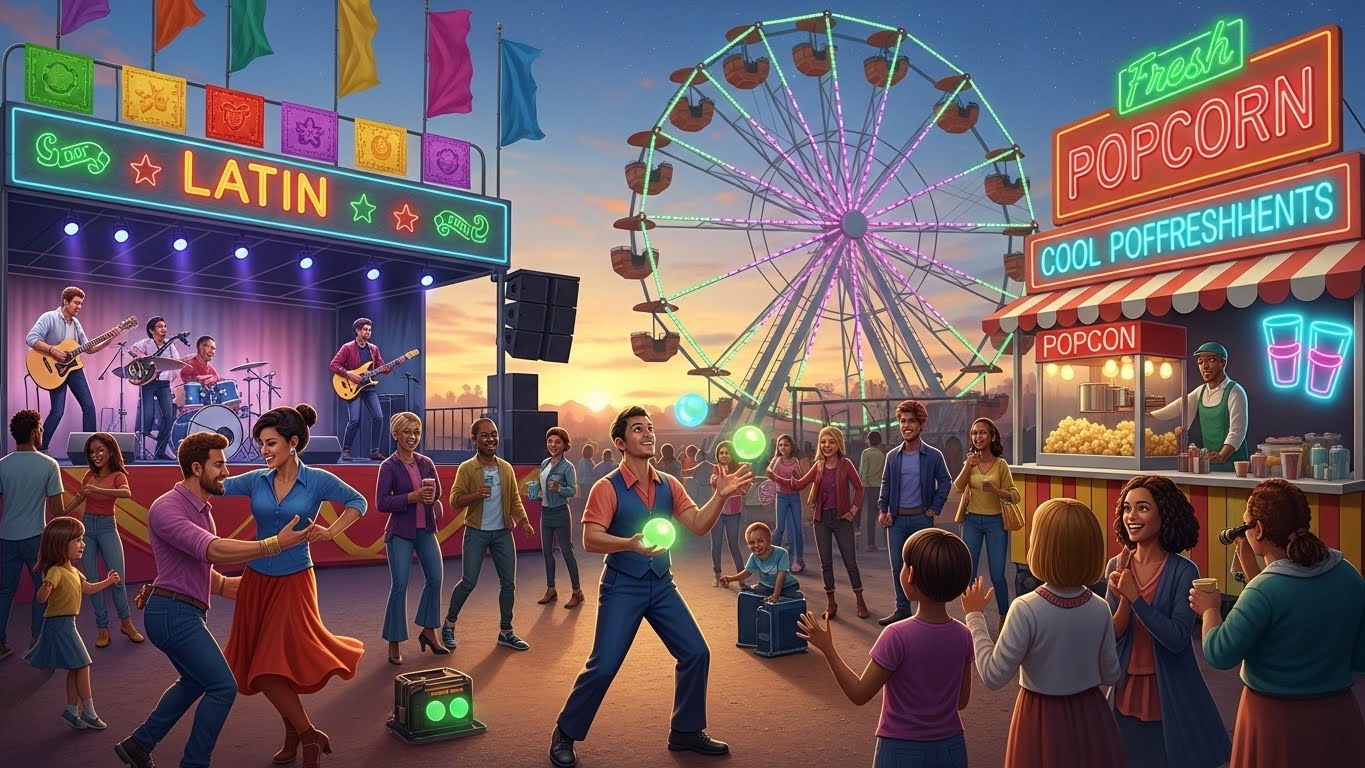
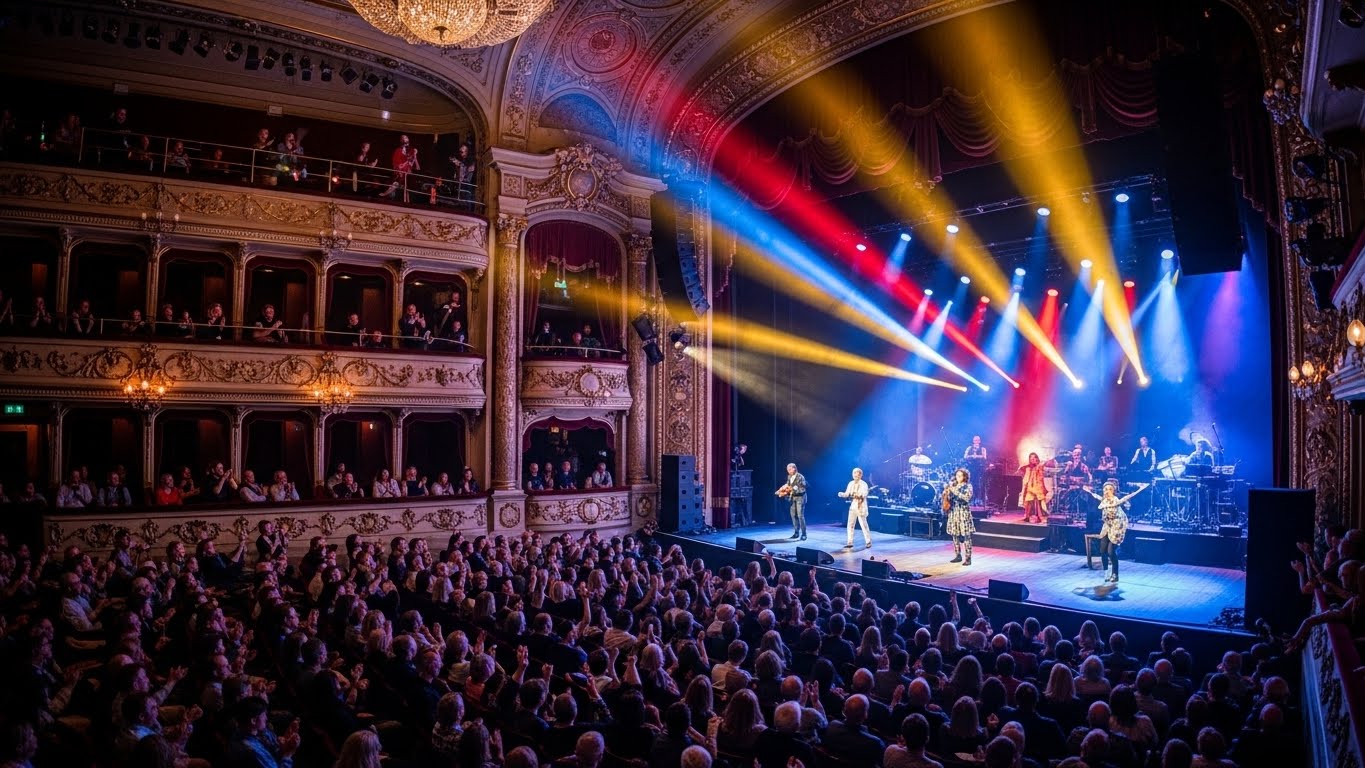
Entertainment is as old as human civilization itself. From the earliest cave paintings to the sophisticated, immersive experiences available today, humans have always sought ways to engage with stories, creativity, and forms of leisure. But in the fast-paced, interconnected world we live in today, entertainment has morphed in ways unimaginable a century ago. It has transcended the boundaries of traditional forms like theater, music, and literature, and embraced newer platforms powered by technology. In this blog post, we will explore the evolution of entertainment, its current forms, and its impact on society, as well as look ahead to the future of this ever-changing landscape.
The Roots of Entertainment: A Journey Through Time
From the very beginning, entertainment has been about more than just enjoyment. It has been a way to tell stories, express culture, and build community. The earliest forms of entertainment—oral storytelling, theatrical performances, music, and dance—were grounded in tradition and culture. These forms were often passed down through generations, carrying with them the values and beliefs of societies.
In ancient Greece, theater was a vital part of public life, with playwrights like Sophocles and Euripides shaping much of Western thought and entertainment. The gladiatorial games in ancient Rome offered an intense and violent form of entertainment, meant to showcase power and dominance. As time moved forward, these primal forms of entertainment began to evolve, influenced by the technological advancements and cultural shifts of their respective eras.
The Rise of Mass Entertainment: Cinema, Television, and Music
In the 20th century, entertainment began to take on a more mass-appeal form. The invention of cinema in the late 19th century gave rise to an entirely new medium for storytelling, with Hollywood quickly becoming the global epicenter of film production. The 1920s marked the Golden Age of Hollywood, where stars like Charlie Chaplin and Greta Garbo became household names. Films were not just a means of entertainment, but also a form of escapism during the hardships of war and economic depression.
Television followed suit in the 1950s, offering families around the world an easy, accessible way to enjoy entertainment in their living rooms. The television transformed how people consumed content, as it brought news, comedy, drama, and variety shows directly into their homes. The concept of “prime time” TV became a cultural institution, and TV shows like I Love Lucy and The Twilight Zone began shaping American popular culture.
Simultaneously, the music industry was booming. Radio brought music into people’s homes, and vinyl records allowed fans to experience their favorite artists in new ways. In the 1960s and 1970s, the rise of rock ‘n’ roll, soul, and folk music revolutionized the entertainment landscape. Iconic musicians like The Beatles, Elvis Presley, and Bob Dylan became more than just entertainers; they were symbols of a cultural movement.
The Digital Revolution: Shaping Modern Entertainment
Fast forward to the late 20th and early 21st centuries, and entertainment began to undergo a massive shift, driven by the digital revolution. The advent of the internet, mobile technology, and social media platforms brought about a profound transformation in how people interact with entertainment. No longer were audiences confined to the movie theater, television screen, or record player. Now, they had access to virtually unlimited content at their fingertips, available anytime and anywhere.
Streaming platforms like Netflix, Hulu, and Amazon Prime began offering on-demand content that allowed viewers to consume TV shows and movies whenever they pleased. This shift fundamentally changed the way people interacted with entertainment. Binge-watching became a cultural phenomenon, with audiences consuming entire seasons of TV shows in a single sitting. The rise of YouTube also democratized entertainment creation, allowing anyone with a camera and an internet connection to produce content and reach a global audience.
In the music industry, digital platforms like Spotify and Apple Music replaced physical formats like CDs and vinyl records, offering millions of songs instantly. Artists no longer had to rely solely on record labels for distribution, and independent musicians could reach a global audience with relative ease. The rise of music streaming also transformed the way people discover new music, with algorithms offering personalized recommendations based on listening history.
The New Frontier: Video Games, Virtual Reality, and Immersive Experiences
As we enter the 21st century, entertainment continues to evolve with new technologies, and video games are at the forefront of this change. Once considered a niche hobby, video games have become a mainstream form of entertainment, with global revenues surpassing those of film and music combined. Titles like Fortnite, The Last of Us, and Minecraft have not only reshaped the gaming industry but also become major cultural phenomena, with players spending hours in immersive digital worlds.
Video games today are more than just interactive experiences; they are forms of storytelling, art, and social interaction. Online multiplayer games allow people to connect, collaborate, and compete in real time, creating virtual communities that span the globe. The competitive gaming scene, or esports, has grown into a billion-dollar industry, with professional players and tournaments attracting millions of viewers.
Virtual reality (VR) and augmented reality (AR) are poised to take entertainment to the next level. While still in their infancy, VR and AR offer entirely new ways for users to engage with content. Imagine stepping into your favorite movie or video game, fully immersed in a world that responds to your every movement. VR gaming, VR films, and virtual concerts are all growing in popularity, offering a level of immersion that traditional forms of entertainment simply can’t match.
The Influence of Social Media: New Forms of Interaction
Social media platforms like Instagram, TikTok, and Twitter have drastically changed the entertainment landscape. They allow anyone with a smartphone to create and share content, which means that entertainment is no longer a one-way street. Fans can now interact directly with their favorite celebrities, influencers, and creators, creating a more personalized and participatory experience.
TikTok, in particular, has become a breeding ground for viral trends and challenges. Users create short, engaging videos that quickly gain traction, turning everyday individuals into internet celebrities almost overnight. This shift from traditional stars to “everyday influencers” has democratized entertainment, giving people from all walks of life the chance to be recognized for their creativity.
Moreover, platforms like Twitch have turned live streaming into a major form of entertainment. Whether it’s watching someone play video games, sharing a live concert, or participating in a Q&A with a celebrity, streaming has created a new way for audiences to engage with content in real time. The rise of these interactive platforms has shifted the balance of power in entertainment, giving audiences more control over what they consume and how they experience it.
The Future of Entertainment: AI, Personalized Content, and the Metaverse
As we look to the future, the next wave of technological advancements promises to reshape entertainment in ways we can only begin to imagine. Artificial intelligence (AI) is already being used to create personalized content recommendations, but it could soon be used to generate entire films, TV shows, and music. AI-driven entertainment could provide hyper-personalized experiences tailored to an individual’s preferences, making entertainment feel even more immersive and engaging.
The concept of the metaverse—a virtual world where users can interact with one another and digital environments in real time—also holds immense potential for the future of entertainment. Imagine attending a live concert in a virtual space, watching a movie with friends who are thousands of miles away, or exploring an entirely new universe in a VR game. The metaverse could bring about an entirely new form of entertainment, blurring the lines between the physical and digital worlds.
At the same time, entertainment may continue to become more interactive, with virtual and augmented reality offering new ways for audiences to participate in the stories they consume. Imagine stepping into your favorite video game and becoming a character, or playing a role in the narrative of a movie as it unfolds in real time. The future of entertainment seems to be heading toward an era where viewers are not just passive consumers but active participants in the creation and experience of content.
The Impact of Entertainment on Society
Entertainment plays a crucial role in shaping society. It influences culture, politics, and social norms, and has the power to bring about social change. Movies and television shows can serve as a reflection of the times, offering commentary on social issues and sparking important conversations. For example, films like 12 Years a Slave and TV shows like The Handmaid’s Tale have sparked discussions about race, gender, and inequality, offering a platform for marginalized voices.
Moreover, entertainment has the power to bring people together. Concerts, movies, and sports events provide shared experiences that unite individuals across cultures and backgrounds. In today’s globalized world, entertainment serves as a universal language, transcending borders and fostering connections between people who might otherwise never have met.
Conclusion: Entertainment as a Mirror of Society
Entertainment is not just a form of escapism or leisure; it is a reflection of who we are as a society. From ancient rituals to the digital age, entertainment has continually evolved, shaping and being shaped by the world around us. As technology continues to advance, so too will our experiences of entertainment. The future holds endless possibilities, from AI-generated content to fully immersive virtual worlds. However, no matter how much entertainment changes, its core purpose remains the same: to entertain, inspire, and connect people in a world that is constantly shifting.