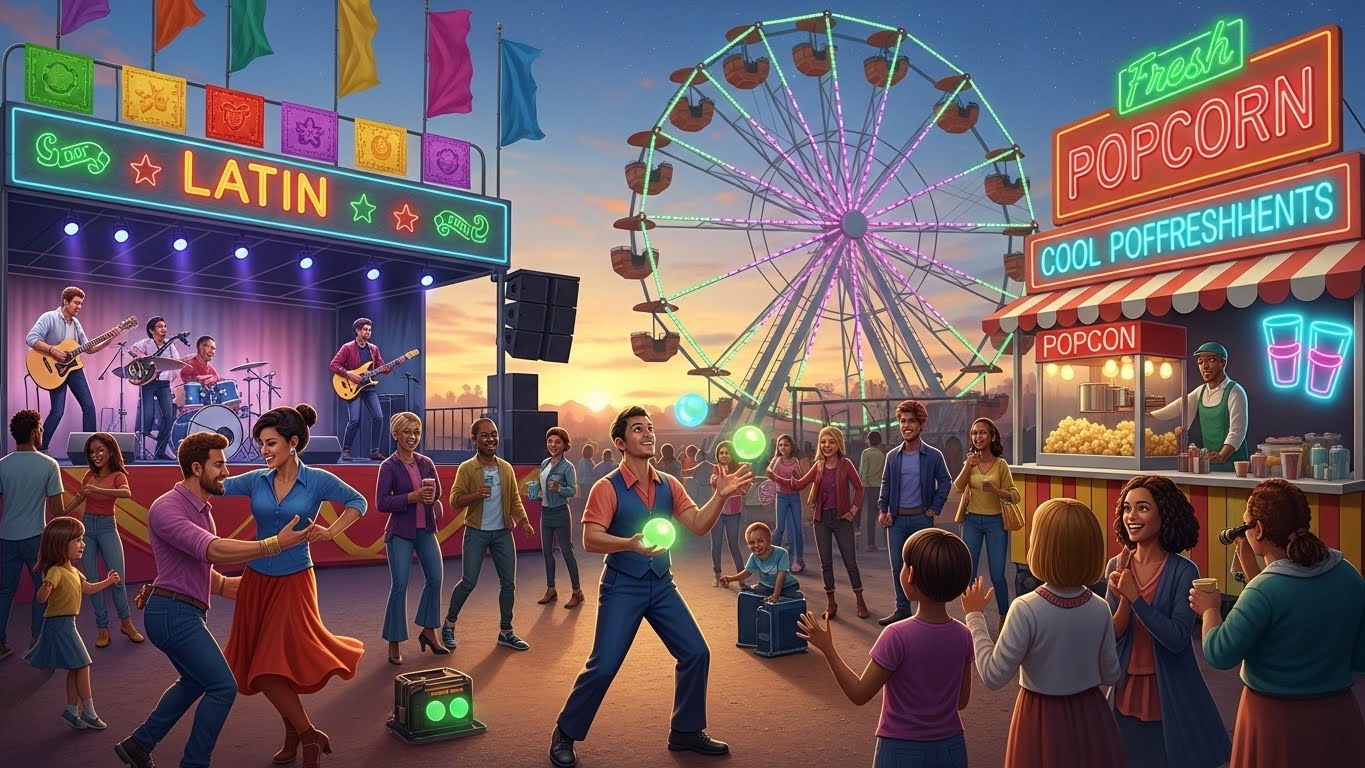
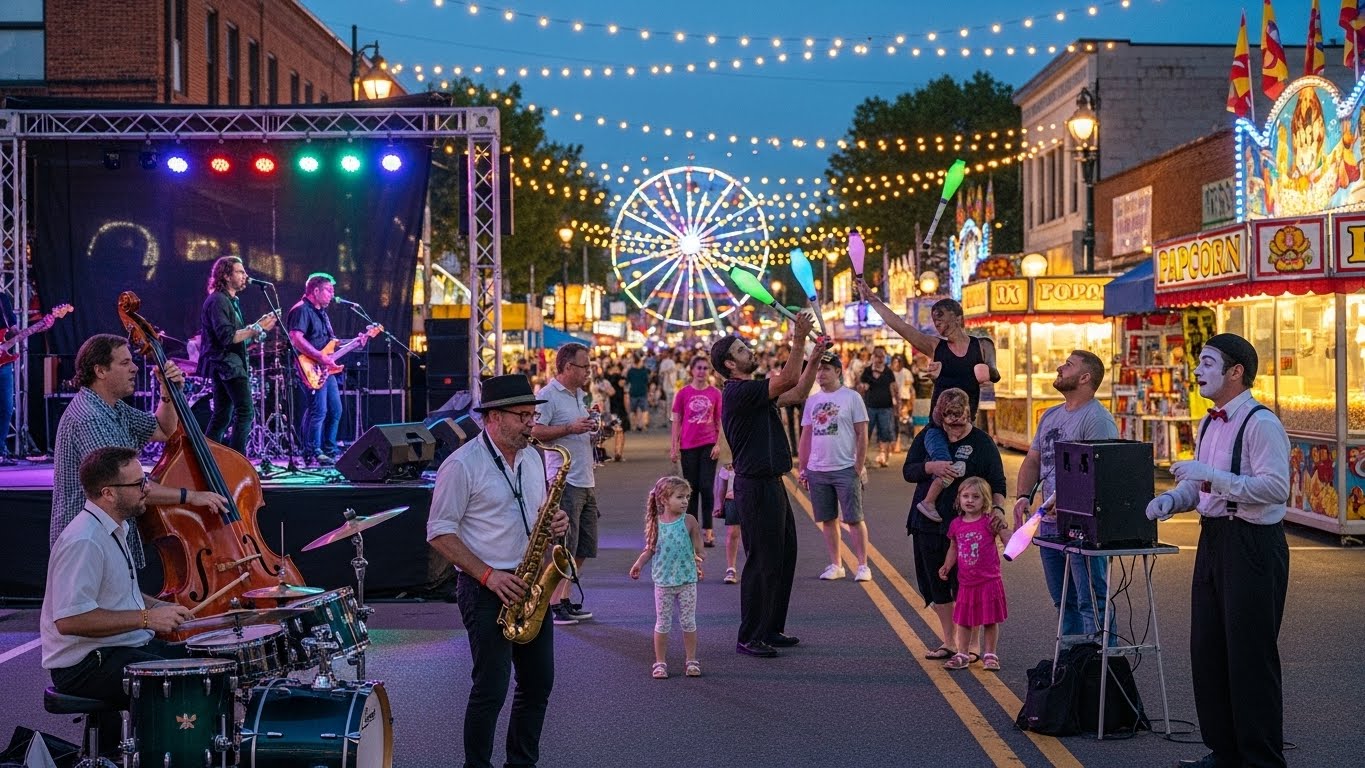
Entertainment has long been a cornerstone of human culture, offering moments of relaxation, joy, and escape from the complexities of daily life. But with rapid advancements in technology and a shifting cultural landscape, the way we engage with entertainment has transformed dramatically over the past few decades. From the days of theater and radio to the rise of digital streaming, interactive media, and immersive virtual environments, the entertainment industry is evolving at an unprecedented rate. This post delves into how entertainment has changed, how it continues to shape society, and what the future holds for this ever-expanding realm.
The Early Days of Entertainment: Traditional Forms Take Center Stage
Before the digital age, entertainment was largely confined to traditional mediums. Live theater, radio broadcasts, and, eventually, television dominated the landscape. People gathered in public theaters to watch plays, listen to music, or enjoy comedy shows. The radio era brought the magic of storytelling and music into people’s homes, creating a sense of shared experience despite geographic distances. In many ways, radio was the precursor to modern digital media, offering a platform for news, entertainment, and culture.
Television further revolutionized entertainment by introducing visual storytelling. TV shows, movies, and sporting events became staples of family life, and the living room transformed into the center of social gatherings. Watching a popular TV show together, or tuning in to a live broadcast, became a social ritual that spanned generations. Traditional forms of entertainment created a sense of community, as families and friends would connect through shared cultural experiences.
However, despite its widespread influence, these traditional mediums still operated within a limited framework. Viewers had to conform to broadcast schedules, and their choices were dictated by what was available on TV or radio. The next phase of entertainment, driven by digital innovation, would begin to break down these barriers and create a more personalized and on-demand experience.
The Digital Revolution: Shaping the Future of Entertainment
The advent of the internet in the late 20th century marked the beginning of a seismic shift in the entertainment industry. Digital technology disrupted traditional formats, bringing entertainment into the online realm. With the rise of the internet, people no longer had to rely on broadcast schedules or physical media like DVDs and VHS tapes. A new era of digital entertainment was born, driven by platforms that allowed users to access, consume, and share content in ways that were previously unimaginable.
One of the most significant milestones in this transformation was the rise of streaming services. Platforms like Netflix, Hulu, and YouTube gave viewers the ability to watch their favorite TV shows, movies, and videos anytime, anywhere, on virtually any device. The traditional model of “appointment viewing” was replaced by a demand-driven model that gave audiences unprecedented control over what they watched and when. This shift also led to the rise of binge-watching culture, where viewers could consume entire seasons of shows in one sitting, breaking away from the weekly episodic format that had defined television for decades.
The streaming model also democratized content creation. Independent filmmakers, musicians, and creators could now publish their work on digital platforms without needing a major production company or record label backing. This led to a surge of diverse and niche content, enabling new voices and perspectives to emerge and find global audiences. The internet allowed for a more inclusive, wide-reaching entertainment ecosystem, where everyone from established stars to up-and-coming creators could have a voice.
The Rise of Social Media: Entertainment in the Age of Connectivity
In addition to streaming, social media has played a central role in reshaping entertainment. Platforms like Instagram, Twitter, Facebook, and TikTok have created new avenues for interaction between creators and their audiences. Social media has not only given rise to a new breed of celebrity—often referred to as “influencers”—but has also made the relationship between entertainers and fans more direct and personal. Gone are the days when a celebrity’s life was a distant spectacle; today, fans can engage with their favorite stars on a personal level through comments, live streams, and social media posts.
This level of connectivity has altered the entertainment landscape in profound ways. Celebrities no longer rely solely on publicists or managers to manage their image—they can now curate their own online persona and engage with their fans in real time. Social media has made stars more accessible, and fans feel more connected to the people they admire.
Moreover, social media platforms themselves have become entertainment hubs. What started as simple tools for sharing thoughts and photos have evolved into complex ecosystems where content is created, consumed, and shared at lightning speed. TikTok, for example, has revolutionized the music and video industries by enabling short-form content to go viral in ways that traditional media could never have imagined. The quick consumption of bite-sized entertainment has shifted the way we interact with media, giving rise to new trends and phenomena that are often driven by social media.
Gaming: The Immersive Frontier of Entertainment
While streaming and social media have redefined how we watch and interact with content, gaming has emerged as one of the most powerful and immersive forms of entertainment. Video games have come a long way since their humble beginnings in arcades and on home consoles. Today, they are not just a form of passive entertainment, but fully interactive experiences that engage players on an emotional and intellectual level.
Gaming is no longer just about playing; it’s about creating and exploring new worlds. With the development of advanced graphics, virtual reality (VR), and augmented reality (AR), games have become deeply immersive experiences where players can interact with complex environments, build relationships with characters, and make meaningful choices that influence the story.
The rise of online multiplayer games has also changed the way we think about entertainment. Games like Fortnite, PUBG, and Minecraft have created global communities of players who interact with each other in real-time, regardless of geographic location. These online communities have fostered social interaction, competition, and collaboration, turning gaming into a social activity that extends beyond the screen.
The gaming industry has surpassed even Hollywood in terms of revenue, and it continues to evolve. Esports, or competitive gaming, has become a legitimate professional sport, with major tournaments and sponsorships drawing in millions of viewers. Virtual reality and augmented reality are also on the horizon, promising to take gaming to even greater heights of immersion and interaction.
Interactive and Immersive Media: The Future of Entertainment
As technology advances, so too does the potential for new forms of interactive and immersive entertainment. One of the most exciting developments in this area is the growth of virtual reality (VR) and augmented reality (AR). VR allows users to step into fully digital environments, where they can interact with the surroundings and even influence the storyline of a game or experience. AR, on the other hand, overlays digital elements onto the real world, creating opportunities for interactive storytelling that blends the physical and digital worlds.
VR and AR are already being used in gaming, but they also have applications in other entertainment industries, such as film, theater, and theme parks. Imagine watching a movie where you can choose the perspective from which you experience the story, or attending a virtual concert where you can move freely within the venue. The possibilities for immersive entertainment are endless, and these technologies promise to redefine what it means to “experience” entertainment.
In addition to VR and AR, artificial intelligence (AI) is beginning to play a role in entertainment. AI can now create personalized content based on individual preferences, making recommendations more accurate and relevant. AI is also being used to create realistic CGI characters, generate music, and even write scripts. As AI technology advances, it will likely play a significant role in shaping the future of entertainment, enabling even more dynamic, customized, and innovative experiences.
The Changing Relationship Between Audiences and Creators
One of the most significant changes in the entertainment industry is the shift in the relationship between creators and audiences. In the past, creators often had little direct interaction with their audiences. But with the rise of social media, streaming platforms, and user-generated content, this dynamic has changed. Audiences are no longer passive consumers—they are active participants in the creation and promotion of content.
This shift has empowered creators and fans alike. Creators can now build direct relationships with their audience, while fans can influence content creation and share their own ideas, artwork, and commentary. Crowdsourcing and crowdfunding have allowed independent creators to fund projects directly through their fanbase, bypassing traditional industry gatekeepers.
This more collaborative and decentralized model has led to a broader range of voices in the entertainment industry, resulting in content that reflects a wider array of cultures, experiences, and perspectives. As fans and creators continue to connect in new ways, the future of entertainment will likely be shaped by this ongoing dialogue.
Conclusion: What’s Next for Entertainment?
As entertainment continues to evolve, it’s clear that technology will play an increasingly important role. From streaming and social media to gaming and immersive media, the way we consume and interact with entertainment has changed forever. The entertainment industry is no longer limited to a few gatekeepers; it is now a dynamic, interactive, and highly personalized experience.
Looking ahead, the possibilities for entertainment are endless. Virtual reality, augmented reality, artificial intelligence, and other emerging technologies promise to take us to new heights of immersion and creativity. At the same time, the relationships between creators and audiences will continue to evolve, leading to a more collaborative and diverse entertainment landscape.
Ultimately, entertainment will remain at the heart of human culture, providing an outlet for creativity, connection, and escape. The way we experience it may change, but its ability to inspire, entertain, and unite people across the globe will always endure.