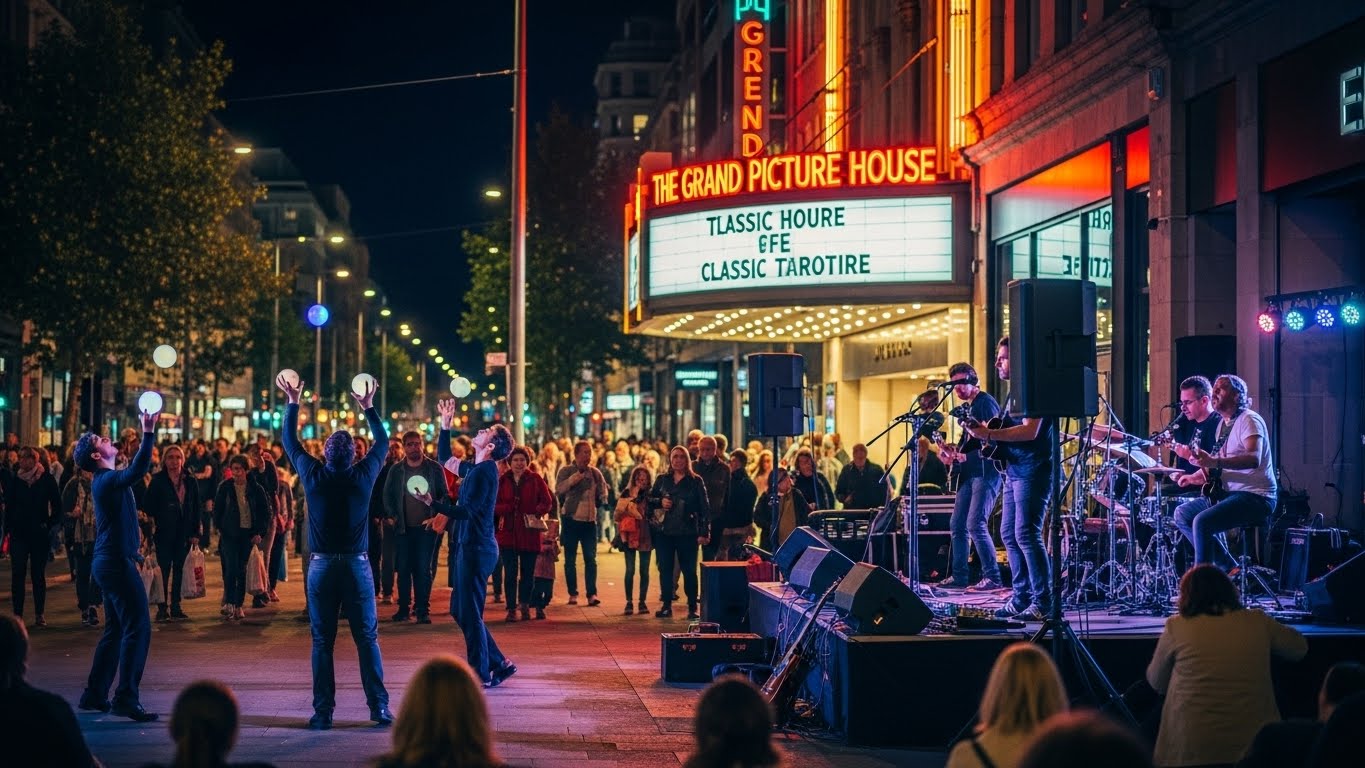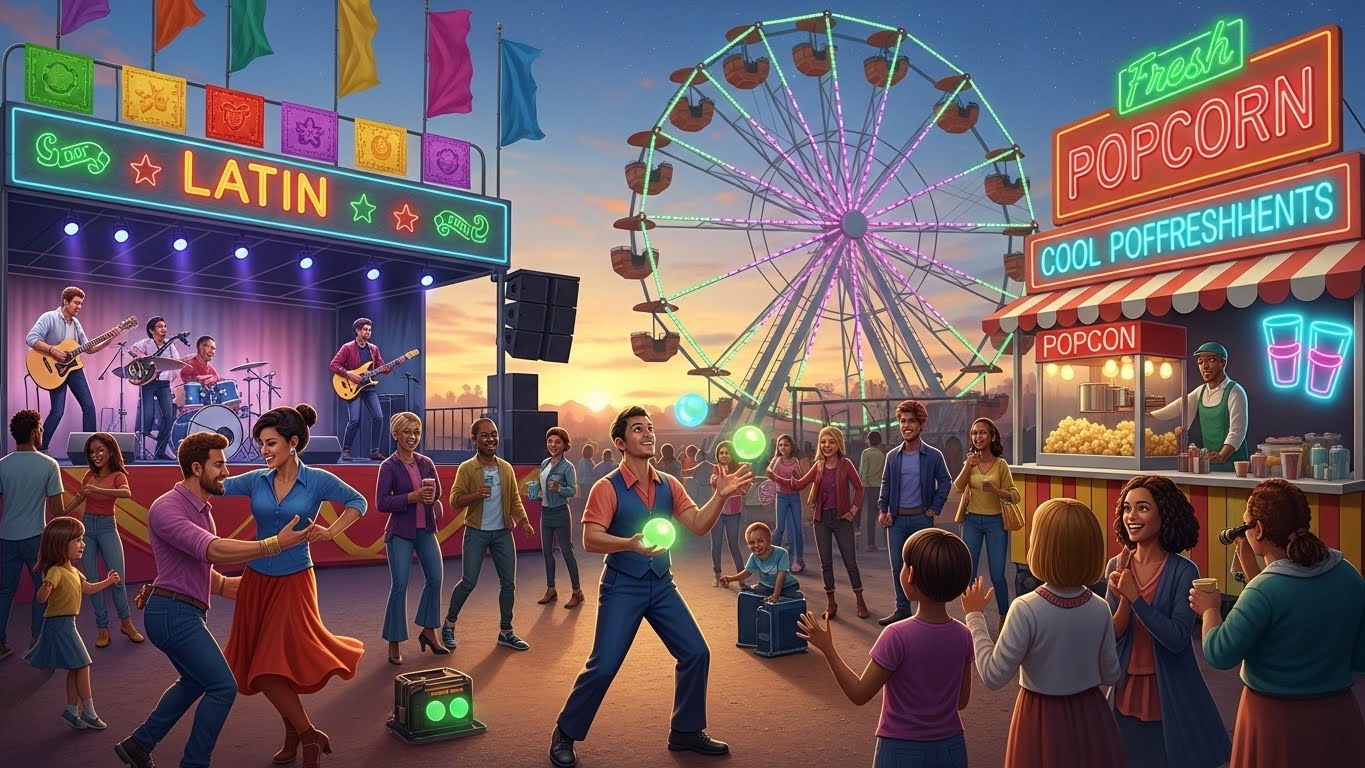
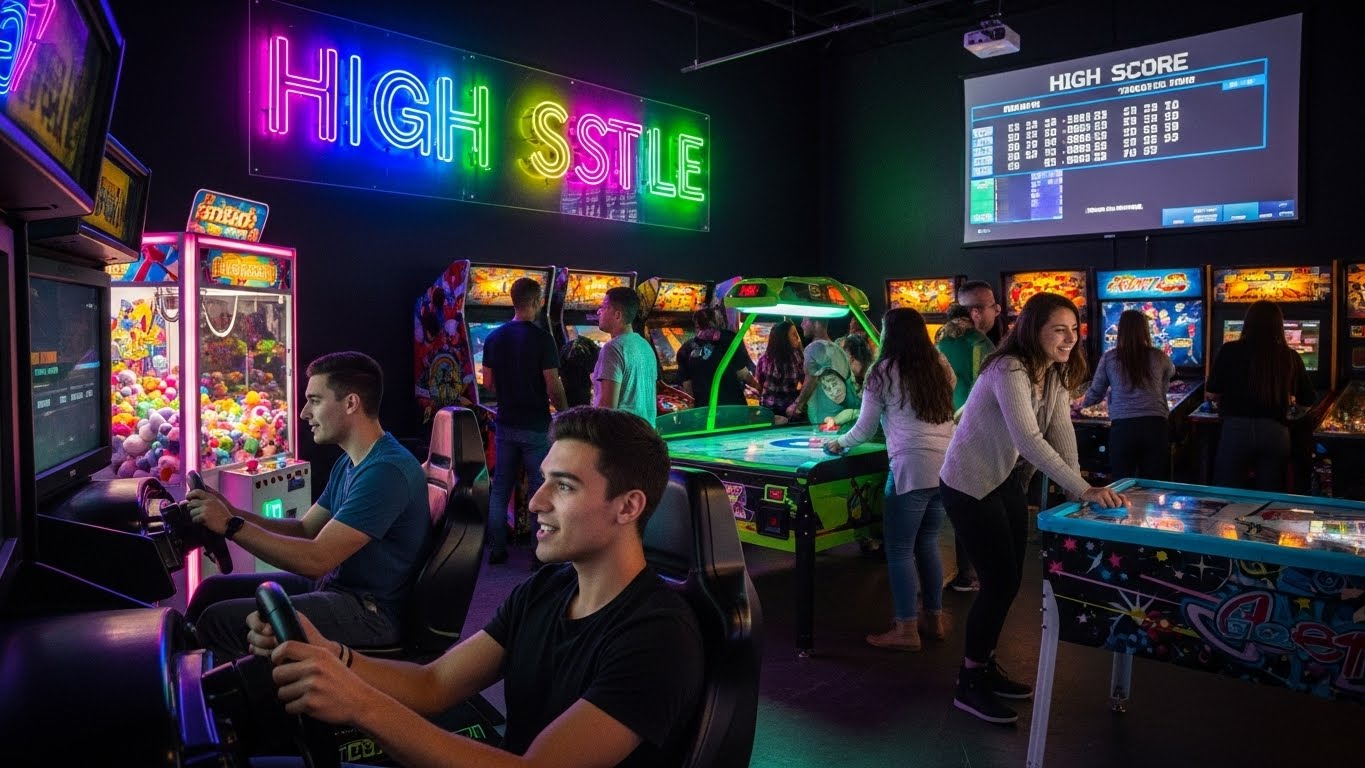
Entertainment has always been a cornerstone of human culture. It is not just a way to pass the time; it reflects societal values, fuels creativity, and provides a means for people to connect and escape from the pressures of daily life. From the earliest forms of storytelling to modern digital platforms, entertainment has continuously evolved to meet the demands of society, incorporating new technologies, cultural shifts, and creative innovations. Today, it encompasses a wide range of mediums, from movies, music, and gaming to podcasts, social media, and virtual reality, each offering unique ways to engage audiences.
The Origins of Entertainment
Entertainment in human history began as a communal activity. Ancient humans gathered around fires to share stories, legends, and myths. These early performances were a mix of oral storytelling, music, and dance, serving both to entertain and to teach moral lessons. Entertainment provided a way to preserve culture, educate younger generations, and foster a sense of community.
As societies advanced, entertainment became more structured. Theater emerged as a prominent form, with formal performances that showcased drama, comedy, and music. Early civilizations, such as the Greeks and Romans, developed elaborate theatrical productions with actors, stage designs, and orchestral music. These performances were a way to reflect societal values, explore philosophical ideas, and bring communities together.
Literature and the Birth of Imagination
The invention of writing and the printing press revolutionized entertainment. Literature became a way to experience stories privately and explore imagination. Novels, poems, and essays allowed individuals to engage deeply with characters, ideas, and narratives. Literature offered a personal and introspective form of entertainment that complemented public performances like theater.
Books also democratized entertainment, making stories accessible to wider audiences. Libraries and printed works allowed people from different backgrounds to explore new worlds, ideas, and emotions. This literary foundation became the basis for modern storytelling across various media, influencing films, television, and even video games.
The Rise of Cinema
Cinema emerged in the late 19th and early 20th centuries as a revolutionary form of entertainment. Movies combined visual storytelling, music, dialogue, and performance to create immersive experiences. Films could transport audiences to different worlds, evoke emotions, and share stories on a scale that was previously unimaginable.
Theaters became social hubs, where communities gathered to experience collective emotions, whether laughter, suspense, or awe. Over time, cinema evolved with technological innovations, including sound, color, and special effects, transforming the movie-going experience. Blockbusters, award-winning films, and independent productions continue to captivate audiences and demonstrate the power of cinema as both art and entertainment.
The Streaming Era
The 21st century brought about a major transformation in how entertainment is consumed. Digital streaming platforms now provide on-demand access to movies, TV series, documentaries, and original productions. Audiences are no longer bound by broadcast schedules or geographic limitations.
Streaming has also changed storytelling. Series are now designed for binge-watching, with intricate plots and character development that maintain viewer engagement over multiple episodes. Moreover, streaming has introduced global content to international audiences, allowing people to experience stories from different cultures and languages. This has created a more inclusive and diverse entertainment landscape.
Music in the Digital Age
Music has always been a universal form of entertainment, and technology has amplified its reach. Digital tools allow musicians to experiment with sound, production, and genre in ways that were previously impossible. Artists can now produce high-quality music from home studios, reducing barriers to entry and allowing more voices to be heard.
Streaming services and digital platforms have changed listening habits, offering personalized playlists, recommendations, and access to global music libraries. Live music experiences have also evolved with technology. Virtual concerts, online music festivals, and live-streamed performances enable fans to connect with artists in real time, regardless of location. Music continues to inspire, entertain, and bring people together in ways that transcend culture and language.
The Growth of Gaming
Gaming has grown into a major form of entertainment, rivaling film and music in cultural influence and financial impact. Modern video games feature cinematic graphics, immersive narratives, and interactive worlds that allow players to shape the story through their actions. Gaming is no longer a passive experience; it engages players in ways that other media cannot.
Esports has further expanded gaming’s cultural significance. Competitive gaming tournaments draw millions of viewers worldwide, turning professional players into celebrities and games into global spectacles. Gaming now combines storytelling, interactivity, and social engagement, making it a unique and dynamic entertainment medium.
Social Media and the Democratization of Creativity
Social media has transformed entertainment by allowing anyone to become a creator. Platforms for short videos, live streams, and interactive content have made entertainment more immediate, accessible, and participatory. Viral trends, challenges, and memes shape what audiences watch and engage with on a daily basis.
This democratization of content has created new opportunities for creators and audiences alike. Influencers and niche content creators can reach millions without traditional industry gatekeepers, while audiences can engage directly through comments, shares, and likes. Social media has made entertainment more dynamic, interactive, and global, reflecting the diverse interests of modern audiences.
Podcasts and the Audio Renaissance
Podcasts have emerged as a powerful form of entertainment, offering storytelling, education, and commentary through audio. They cover a vast range of genres, including true crime, comedy, history, science, and personal narratives. Podcasts allow for intimate engagement, letting listeners immerse themselves in stories while multitasking or commuting.
Audio entertainment encourages imagination and personal interpretation. Unlike visual media, podcasts require audiences to visualize and process information, creating a unique and engaging experience. The rise of podcasts demonstrates that traditional forms of entertainment can coexist and thrive alongside visual and digital media.
Nostalgia and Emotional Connection
Nostalgia plays an important role in modern entertainment. Remakes, reboots, and revivals of classic movies, television shows, and video games connect audiences to the past while providing modernized experiences. Nostalgia appeals to older audiences who remember the originals while introducing younger generations to cultural milestones.
By blending past and present, nostalgia-driven entertainment creates emotional resonance, allowing audiences to relive cherished memories while engaging with updated storytelling and technology. This combination strengthens the bond between content and audience, ensuring that entertainment remains emotionally meaningful.
Virtual and Augmented Reality
Virtual reality (VR) and augmented reality (AR) are changing how audiences experience entertainment. VR immerses users in entirely digital worlds, offering interactive storytelling, virtual concerts, and realistic simulations. AR overlays digital elements onto the physical world, enhancing games, education, and live events.
These technologies create participatory experiences that blur the line between reality and imagination. As VR and AR become more accessible, they are likely to become mainstream entertainment platforms, offering new ways to engage audiences on emotional and sensory levels.
Globalization of Entertainment
Globalization has transformed entertainment into a worldwide phenomenon. Movies, music, and series from one country can reach audiences across the globe, fostering cross-cultural understanding and appreciation. International collaborations among creators have produced innovative content that blends multiple cultural, artistic, and narrative influences.
Global entertainment encourages diversity, exposing audiences to different perspectives, traditions, and storytelling methods. It reflects the interconnected world we live in, where stories, music, and art transcend borders and create shared cultural experiences.
The Social and Emotional Impact of Entertainment
Entertainment is more than a source of leisure; it plays a crucial role in emotional, psychological, and social well-being. It offers an escape from daily stress, fosters empathy, and encourages exploration of new ideas. Shared experiences, such as watching a film, attending a concert, or playing a game, help build social connections and communities.
Moreover, entertainment inspires creativity, imagination, and critical thinking. It allows people to explore emotions, challenge perspectives, and experience stories in ways that encourage personal growth and reflection. Entertainment, therefore, contributes to both individual and societal enrichment.
The Future of Entertainment
The future of entertainment promises even greater innovation, interactivity, and personalization. Artificial intelligence may allow for adaptive storytelling, personalized music experiences, and games that respond to individual preferences. Virtual and augmented realities could create entirely new worlds for audiences to explore and interact with.
Despite technological advancements, the essence of entertainment will remain the same: to evoke emotions, inspire creativity, and bring people together. As the industry evolves, it will continue to reflect human imagination, societal values, and the universal desire for connection and enjoyment.
Conclusion
Entertainment has always been a dynamic and evolving part of human culture. From ancient storytelling and theater to digital streaming, gaming, music, and immersive virtual experiences, it continues to reflect human creativity and societal change. Modern entertainment is diverse, interactive, and global, yet it maintains its fundamental purpose: to engage, inspire, and connect people.
As society and technology continue to progress, entertainment will remain an essential part of human life. It is more than a pastime; it is a reflection of our creativity, emotions, and shared experiences. The evolution of entertainment reminds us that storytelling, music, games, and performance are timeless expressions of what it means to be human.