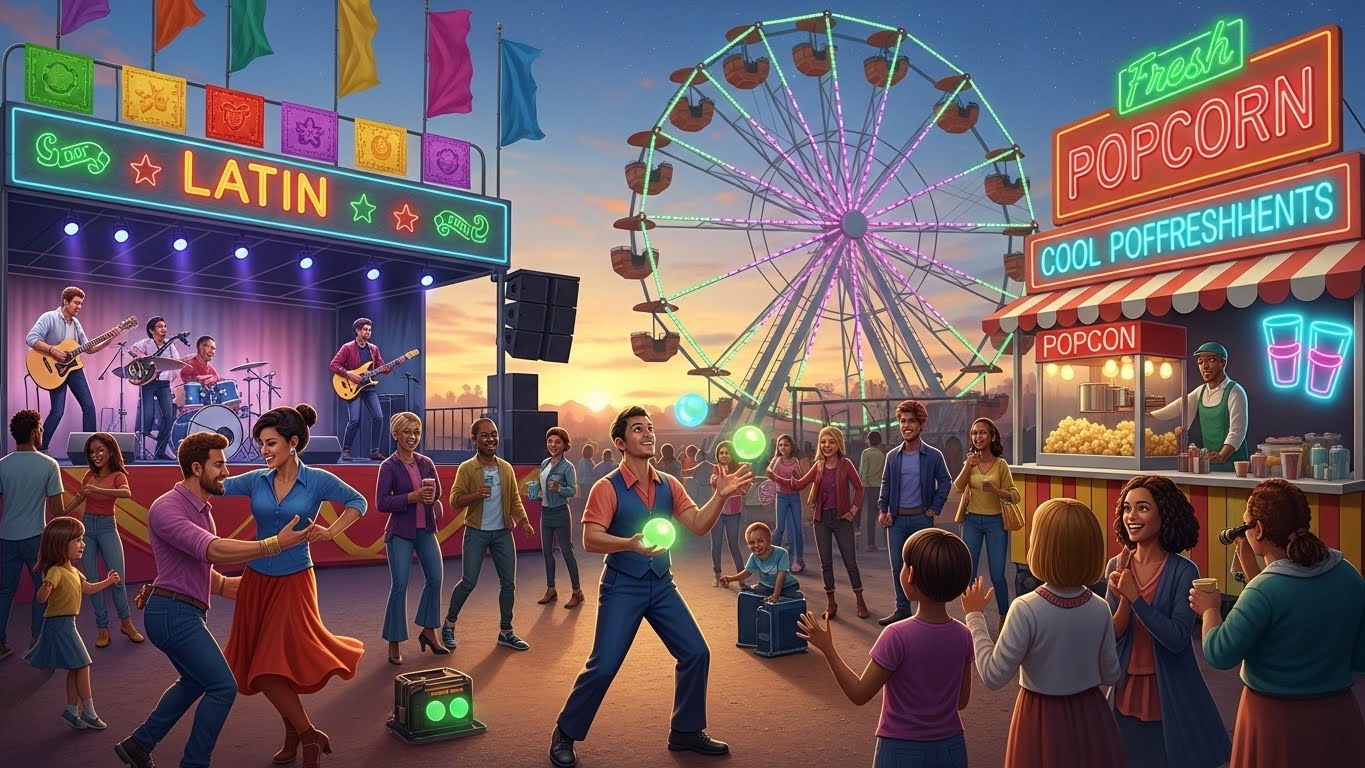
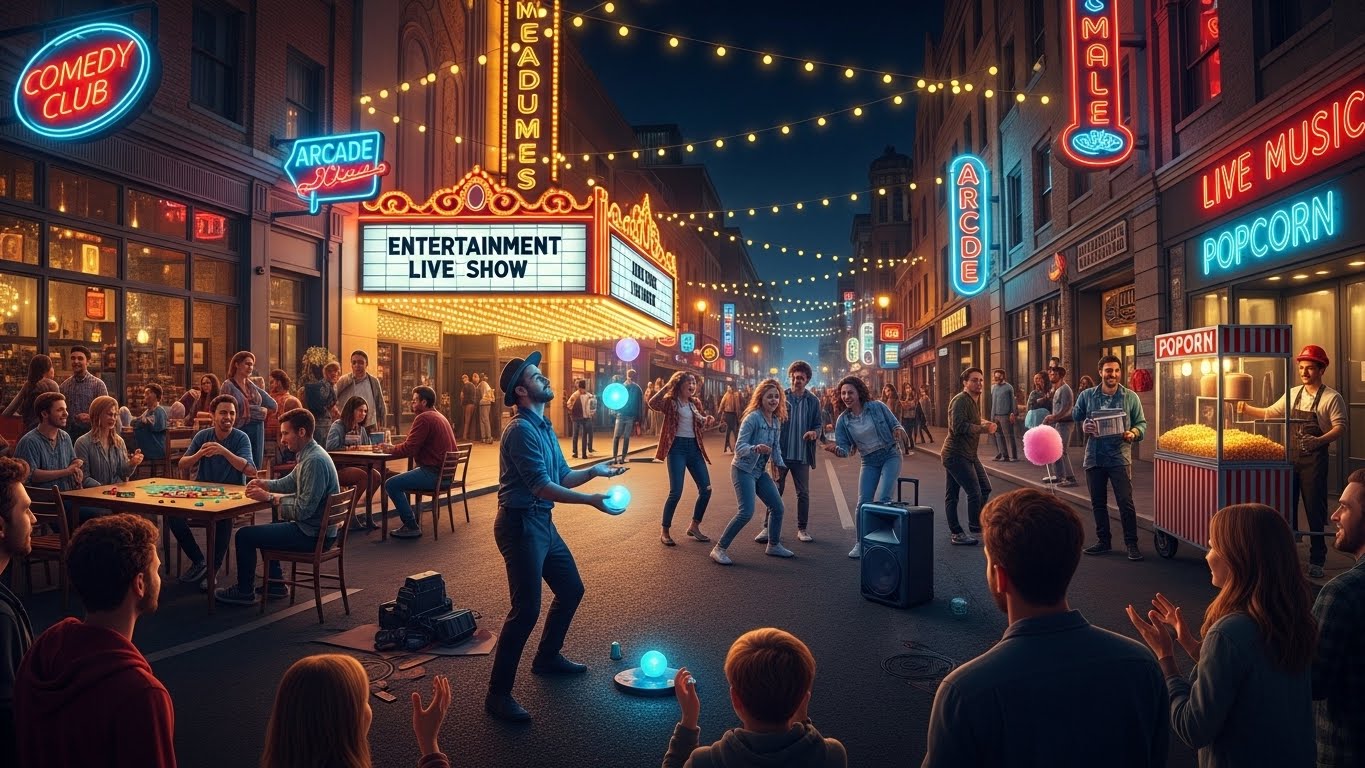
Entertainment is more than just a pastime; it is a reflection of society, a mirror that reveals our desires, fears, and aspirations. From the golden age of cinema to the rise of streaming platforms, the entertainment industry has evolved in ways that have transformed the way we consume stories, music, and experiences. It influences culture, shapes trends, and provides an escape from the monotony of daily life. In this blog post, we explore the different dimensions of entertainment, its impact on individuals and society, and why it remains an essential part of human existence.
The Evolution of Entertainment
Entertainment has existed for centuries, but its forms and methods of delivery have changed drastically over time. In ancient civilizations, entertainment often came in the form of live performances, storytelling, and communal gatherings. Theater in ancient Greece, music in the courts of Europe, and oral storytelling in indigenous communities were not only pastimes but also a way to preserve culture and pass down traditions.
With the invention of the printing press, literature became widely accessible, allowing people to immerse themselves in fictional worlds. The advent of cinema in the early 20th century revolutionized entertainment. Films were no longer just a novelty; they became a form of art and a powerful medium for storytelling. Television followed, bringing entertainment into living rooms around the world and creating shared experiences for families and communities.
The digital age has further transformed entertainment. Streaming platforms, video games, and social media have redefined how people access and engage with content. No longer are audiences passive consumers; they are active participants, able to interact, share, and even create their own entertainment experiences.
The Power of Storytelling
At the heart of all entertainment lies storytelling. Stories captivate, inspire, and evoke emotions. Whether it’s a blockbuster movie, a bestselling novel, or a viral video, the narrative is what connects us to the content. Humans are inherently drawn to stories because they help us make sense of the world. Through stories, we explore different perspectives, empathize with others, and experience adventures beyond our own lives.
Movies and television shows offer a unique form of storytelling, combining visuals, sound, and performance to create immersive experiences. Music, on the other hand, conveys emotion through melody, rhythm, and lyrics, often capturing feelings that words alone cannot express. Video games merge storytelling with interactivity, allowing players to influence outcomes and engage with narratives on a deeper level.
The beauty of storytelling in entertainment is that it transcends age, culture, and geography. A well-told story can resonate with someone on the other side of the world, proving that human emotions and experiences are universal.
Music: The Universal Language
Music has always been an integral part of entertainment. It has the power to evoke memories, elevate moods, and bring people together. Across cultures, music serves as a form of expression, a method of celebration, and a medium for social change.
The evolution of music has mirrored changes in technology and society. From classical compositions performed in grand halls to modern digital tracks streamed worldwide, music has adapted to reach audiences in new ways. Genres have evolved, and artists have found innovative methods to convey their messages. Concerts and festivals create communal experiences, uniting fans through shared love for rhythms, lyrics, and melodies.
In today’s digital era, music is more accessible than ever. Streaming platforms allow listeners to explore genres and artists from every corner of the globe. Social media platforms also play a pivotal role in amplifying new talent and shaping musical trends. Music, therefore, is not just entertainment; it is a living, breathing reflection of society.
Film and Television: Mirrors of Society
Cinema and television have long been considered the pinnacle of entertainment. They offer a window into other worlds, times, and experiences. Beyond providing escapism, films and shows often tackle social issues, provoke thought, and inspire dialogue. They are not just art forms; they are cultural phenomena that influence fashion, language, and lifestyle.
The rise of streaming services has disrupted traditional media, allowing viewers to watch content anytime, anywhere. This shift has also encouraged the creation of diverse stories that might not have found space in conventional cinema. Independent filmmakers and small studios now have platforms to showcase their work, resulting in more varied and inclusive content.
Television series, in particular, have evolved into long-form storytelling, with complex characters and narratives that rival those of films. This format allows for deeper exploration of themes and greater emotional investment from viewers. Entertainment today is not just about watching; it is about experiencing and engaging with stories on a personal level.
Gaming: The Interactive Frontier
The world of gaming has grown exponentially, transforming from a niche hobby to a mainstream form of entertainment. Video games offer immersive experiences that combine storytelling, strategy, and creativity. Unlike passive forms of entertainment, gaming requires active participation, challenging players to think, react, and make decisions that impact outcomes.
Modern gaming is not limited to consoles or computers. Mobile gaming has made interactive entertainment accessible to millions, while virtual reality (VR) and augmented reality (AR) are pushing the boundaries of immersion. Esports has also emerged as a competitive spectacle, drawing massive audiences and elevating gaming to the level of professional sport.
Gaming as entertainment provides not only fun but also opportunities for social interaction, skill development, and cognitive growth. It represents a unique blend of art and technology, appealing to both casual players and dedicated enthusiasts.
The Impact of Entertainment on Society
Entertainment has a profound impact on society. It influences culture, shapes public opinion, and fosters social cohesion. Popular films, shows, and music often reflect societal values and norms, while also challenging them. They can bring attention to social issues, promote empathy, and inspire change.
Moreover, entertainment serves as a coping mechanism. In times of stress, uncertainty, or crisis, people turn to movies, music, and games for comfort and distraction. It provides an outlet for emotions, a means of relaxation, and a way to connect with others. Shared entertainment experiences, whether watching a movie premiere or attending a concert, foster a sense of community and belonging.
The commercialization of entertainment has also transformed economies. Film studios, music labels, and gaming companies generate substantial revenue and create employment opportunities. The global nature of the entertainment industry highlights its cultural and economic significance, emphasizing that entertainment is both a societal pillar and a business powerhouse.
The Future of Entertainment
As technology continues to advance, the future of entertainment promises even greater innovation. Artificial intelligence, virtual reality, and augmented reality are set to redefine immersive experiences. Interactive films, AI-generated music, and personalized content recommendations will change how audiences engage with entertainment.
The integration of technology also raises important questions about accessibility, ethics, and the preservation of creativity. While AI and digital tools can enhance storytelling, human imagination and emotion will remain at the core of meaningful entertainment. The challenge will be to balance technological possibilities with the authentic human experience that makes entertainment compelling.
Moreover, the future of entertainment is likely to be more participatory. Audiences will not only consume content but also shape it through feedback, creation, and collaboration. This democratization of entertainment could lead to a more inclusive and diverse landscape, reflecting a wider array of voices, cultures, and experiences.
Conclusion: Entertainment as a Reflection of Humanity
Entertainment is more than just leisure; it is an essential part of the human experience. It entertains, educates, inspires, and connects. From ancient storytelling to modern gaming, from symphonies to streaming platforms, entertainment reflects our collective imagination and societal evolution.
As technology evolves and audiences become more engaged, entertainment will continue to transform, but its core purpose remains the same: to tell stories, evoke emotion, and bring people together. In a rapidly changing world, entertainment serves as both a mirror and a bridge, connecting us to our past, our present, and the endless possibilities of the future.
In the end, the value of entertainment lies not only in the content itself but in its ability to enrich lives, foster creativity, and remind us of the beauty, complexity, and diversity of the human experience. As long as humans seek connection, joy, and meaning, entertainment will remain an indispensable part of our lives.