Entertainment is one of those things in life that can both unite and uplift, distract and soothe, challenge and inspire. It’s often a necessary respite from the demands and stresses of daily life. Whether it’s a movie night, reading a gripping novel, or losing yourself in a video game, entertainment is more than just a way to pass time—it’s an essential part of the human experience. It provides us with moments of joy, catharsis, reflection, and even education, all while offering us a chance to temporarily step away from reality and immerse ourselves in something completely different.
From the earliest forms of storytelling to the digital age’s content-driven world, the landscape of entertainment has evolved dramatically over the centuries. But even as technology has transformed the ways in which we access entertainment, the fundamental desire for engaging, thought-provoking, and sometimes whimsical content has remained unchanged. In this post, we’ll take a deep dive into the world of entertainment, exploring its different forms, its significance in our lives, and how it continues to shape our culture.
The Power of Stories: From Ancient Myths to Modern TV Series
At the core of much of our entertainment lies storytelling. Stories are what captivate us, transport us to new worlds, and make us feel emotions we never knew we had. From the earliest oral traditions around campfires to the sprawling universes in modern television series, storytelling is the heartbeat of entertainment.
Historically, stories were passed down orally from generation to generation. Myths, legends, and fables were told to explain natural phenomena, teach lessons, or entertain. These early tales were fundamental to human culture, serving not just as entertainment but also as ways to preserve history, build community, and understand the world. In many cultures, storytellers were revered as the keepers of knowledge and tradition.
As societies evolved, storytelling took on new forms. With the advent of the written word, epic poems like the Iliad and Odyssey became some of the first long-form stories, reaching audiences far and wide. These tales of gods, heroes, and war not only entertained but also conveyed powerful messages about life, honor, and fate.
Fast forward to the 21st century, and storytelling has found its home in an array of mediums, with television and film at the forefront. Today, TV series like Game of Thrones, Breaking Bad, and Stranger Things dominate popular culture. These series do more than just tell a good story; they offer an experience. Characters are more complex than ever, plotlines are woven with greater depth, and the way these stories unfold leaves audiences on the edge of their seats. What’s fascinating is how these shows often explore deeper social and philosophical questions, subtly engaging viewers with ideas about power, morality, and identity.
In many ways, these modern stories still serve the same purpose as the ancient myths. They provide us with a lens through which to examine the world, even if they do so through the fantastic or surreal. Whether it’s a sci-fi epic or a historical drama, the stories we consume continue to shape our understanding of ourselves and each other.
The Universal Appeal of Music: A Soundtrack to Our Lives
Music is another central pillar of entertainment that has an extraordinary ability to evoke emotion, inspire action, and even foster social change. Music, like storytelling, has been a part of human civilization since its earliest days. The first songs were likely sung around campfires, whether to accompany work, celebrate victories, or mark significant cultural rites.
As human societies grew, so did music’s complexity. Classical music compositions by greats like Bach, Beethoven, and Mozart captured the emotions and aspirations of entire cultures. Meanwhile, folk songs continued to tell stories of everyday life, from love to struggle, from joy to loss.
In the modern age, music has become more accessible than ever. The rise of digital streaming platforms like Spotify, Apple Music, and YouTube has democratized music, allowing listeners to explore vast libraries of songs from every genre imaginable. Music is no longer confined to a specific class, culture, or country. It has become a global phenomenon, with genres like pop, rock, hip-hop, country, jazz, and electronic music creating bridges between diverse audiences.
What makes music so powerful is its ability to tap into our emotions. A song can uplift our mood, calm our nerves, or inspire deep reflection. Think of the way a pop anthem can make you feel unstoppable, or how a slow ballad can make you nostalgic for a past love. Music’s emotional resonance is universal—there’s a reason why certain songs become anthems for generations, movements, and causes. From Bob Dylan’s protest songs to Beyoncé’s empowering anthems, music has the power to change hearts and minds, making it an integral form of entertainment and social commentary.
Video Games: Immersive Entertainment for the Digital Age
Once considered a pastime for children or teenagers, video games have transformed into one of the most significant and immersive forms of entertainment in the modern world. The growth of the gaming industry is nothing short of remarkable. Today, video games are a multi-billion-dollar industry, with titles like Fortnite, Call of Duty, and The Legend of Zelda attracting millions of players globally.
What sets video games apart from other forms of entertainment is their interactivity. Unlike films or music, where the audience is a passive observer, video games invite players to step into the story and actively participate. Players don’t just watch events unfold—they shape the narrative through their actions. Whether it’s making choices in a role-playing game (RPG) like Mass Effect or solving puzzles in a game like Portal, video games create a unique, personalized experience for each player. This level of engagement makes video games particularly compelling.
The storytelling in video games has evolved dramatically over the years. Games like The Last of Us and Red Dead Redemption 2 have demonstrated that video games are capable of delivering complex, emotionally-charged narratives on par with the best Hollywood films. These games don’t just offer gameplay—they offer a deep, cinematic experience that makes you feel for the characters and invest emotionally in the outcome.
Moreover, video games are no longer a solitary experience. The rise of online multiplayer games has created vast communities of players who connect, collaborate, and compete with one another. Games like Minecraft, World of Warcraft, and League of Legends have transformed gaming into a social activity, where players from all over the world can share experiences and build friendships. This communal aspect of gaming is one of the reasons why it continues to grow in popularity, especially among younger generations.
Live Entertainment: The Magic of Experiencing Art in Real Time
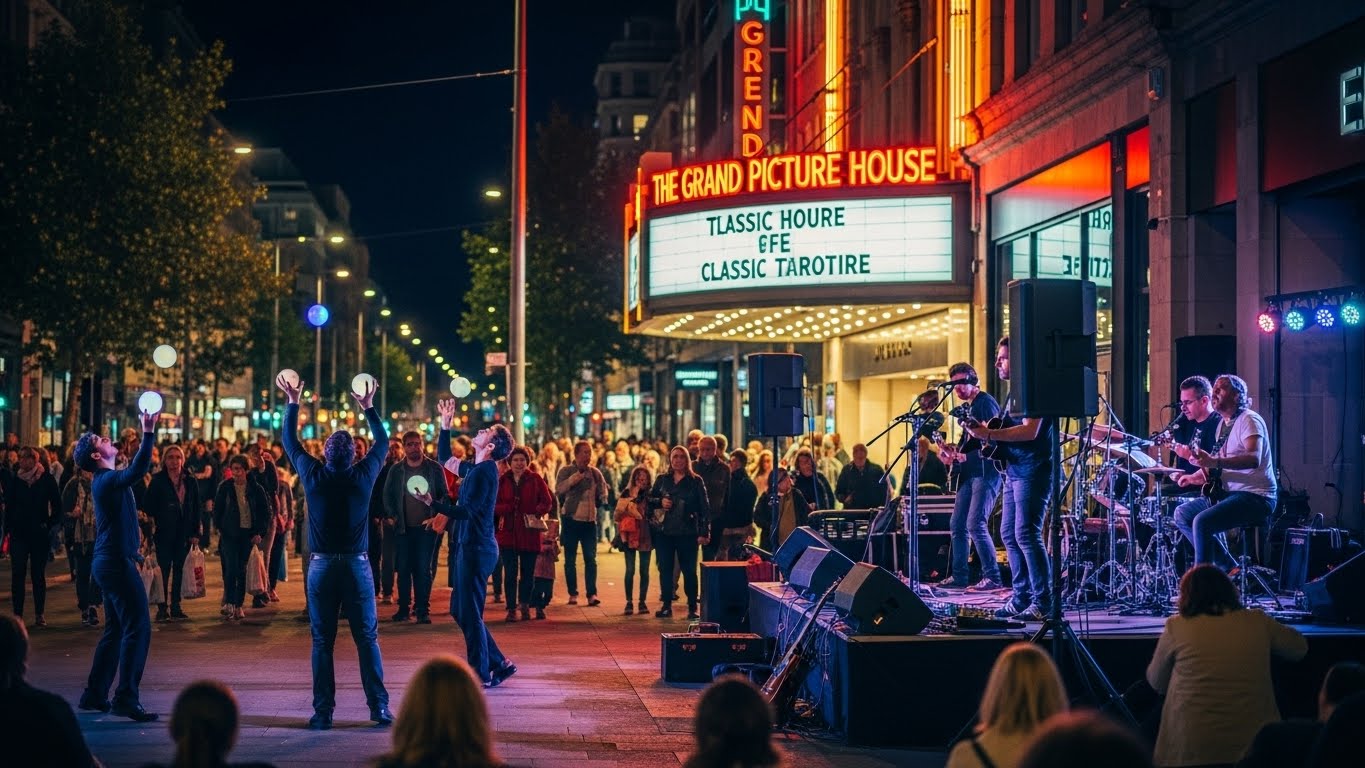
While digital entertainment has made huge strides in recent years, there’s still something undeniably special about live entertainment. The unique energy of attending a live concert, theater performance, or sporting event cannot be replicated by any form of recorded media.
Live concerts, for example, offer an atmosphere unlike anything you can get from a recorded album. There’s something electric about being surrounded by a crowd of people, all singing along to the same song, feeling the beat pulse through the air. The artist’s performance and the crowd’s energy merge to create a once-in-a-lifetime experience. Whether it’s a massive arena show by a pop superstar or an intimate jazz gig at a local club, live music performances forge connections that go beyond the music itself.
Similarly, theater has the power to transport audiences to new worlds, right in front of their eyes. Whether it’s a Broadway musical, an experimental play, or a Shakespearean classic, the live nature of theater creates a sense of urgency and immediacy. The actors’ performances are always slightly different, the audience’s reactions are unpredictable, and the connection between performer and spectator is tangible. Theater can make you laugh, cry, and think deeply about the human condition in a way that no film or television show can replicate.
Sports events, too, offer a level of excitement that cannot be matched by any other form of entertainment. The tension of a last-minute goal, the thrill of an underdog team winning, or the shared sense of triumph in a victory is something that must be experienced in person to fully appreciate. The collective energy of a crowd, cheering for their team, creates an atmosphere of camaraderie that brings people together across backgrounds, cultures, and beliefs.
The Influence of Social Media and Digital Content Creators
In recent years, a new form of entertainment has emerged with the rise of social media and digital content creators. Platforms like Instagram, TikTok, YouTube, and Twitch have transformed entertainment by giving anyone with an internet connection the opportunity to create, share, and consume content. This democratization of entertainment has led to an explosion of new forms of media, from viral videos to live-streamed events to influencer-driven content.
Social media has also allowed creators to build personal brands, create loyal fanbases, and influence public opinion. Influencers, YouTubers, and streamers have become celebrities in their own right, with millions of followers who eagerly await their next video or live stream. These digital content creators provide entertainment in a way that feels more intimate and personal, as audiences get to know them through their posts, videos, and interactions.
In a sense, social media has become its own form of entertainment, with people not only consuming content but also creating and sharing it. Memes, viral challenges, and influencer collaborations have become central to the entertainment landscape, blurring the lines between creator and audience. What’s fascinating is how this form of entertainment has become a two-way street, where creators and fans engage in a constant back-and-forth, creating a dynamic and evolving cultural ecosystem.